During October I had volunteered at the Richard Underwood Nature Reserve for the Northern Hairy-nosed Wombat managed by my favourite conservation organisation, Australian Wildlife Conservancy. The work involved about four hours per day checking and repairing the perimeter fences, maintaining the water stations for the animals within the reserve, Tiger Pear (an invasive cactus) control and a bit of general maintenance and cleaning around the property. Mark and Tess, the property managers who also manage Bowral, a much larger sanctuary further west at Cunnamulla were awesome, regularly checking on my wellbeing and ready to offer advice and encouragement. AWC are always looking for volunteers all over their Australian sanctuaries including Richard Underwood so if that sounds like something that might appeal to you and you have the time to spare, visit their website and get involved, you won’t be disappointed.
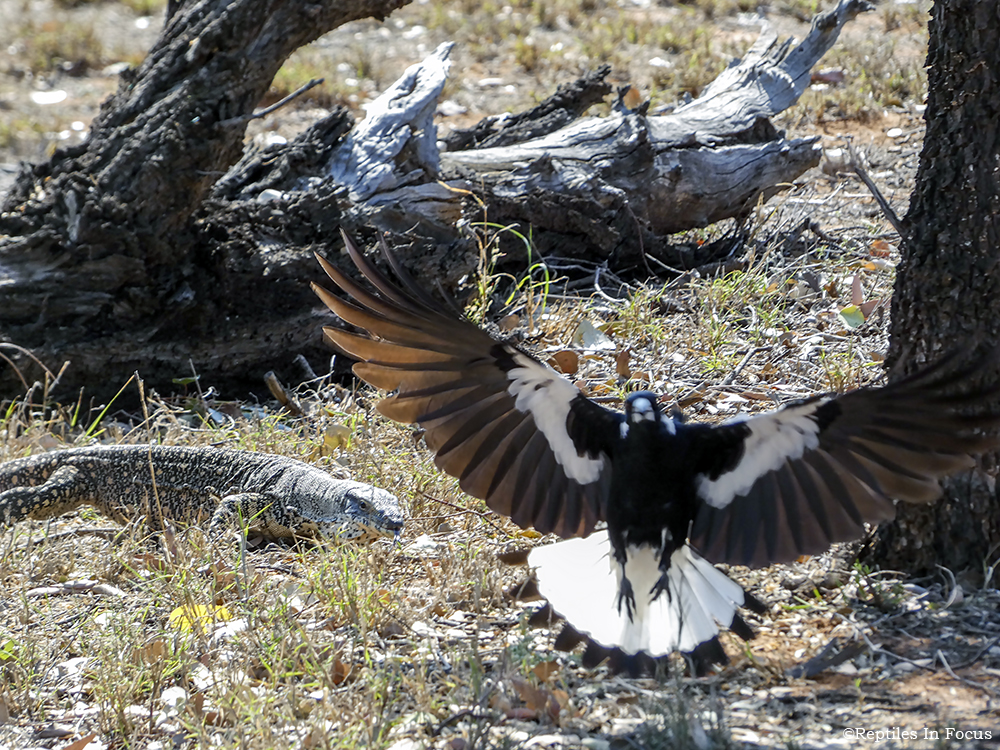
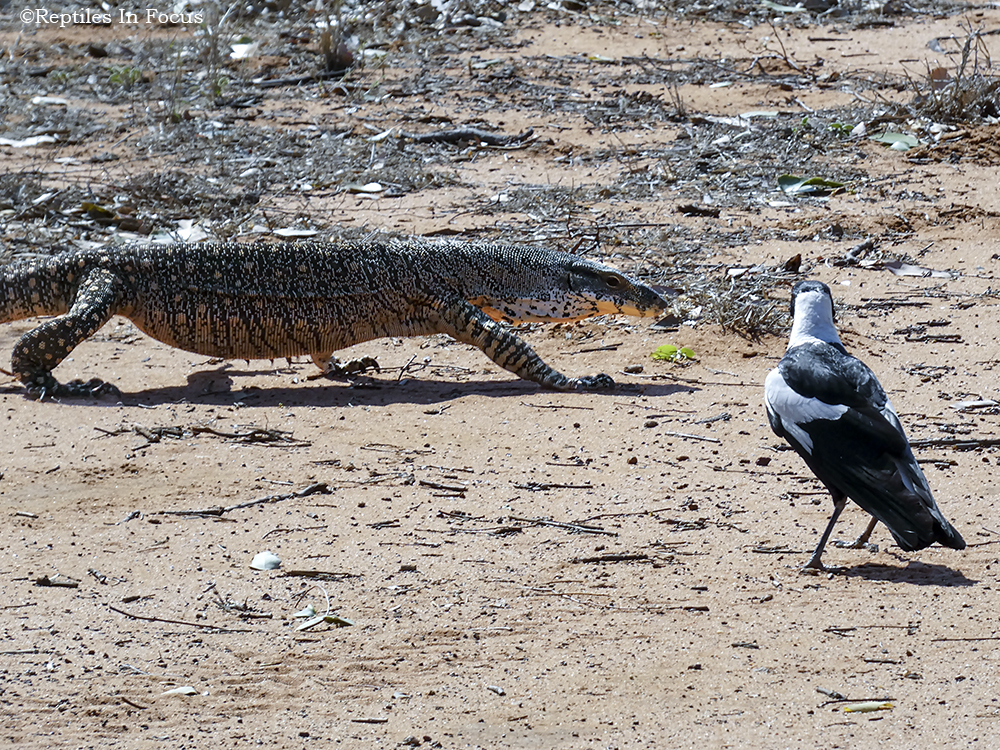
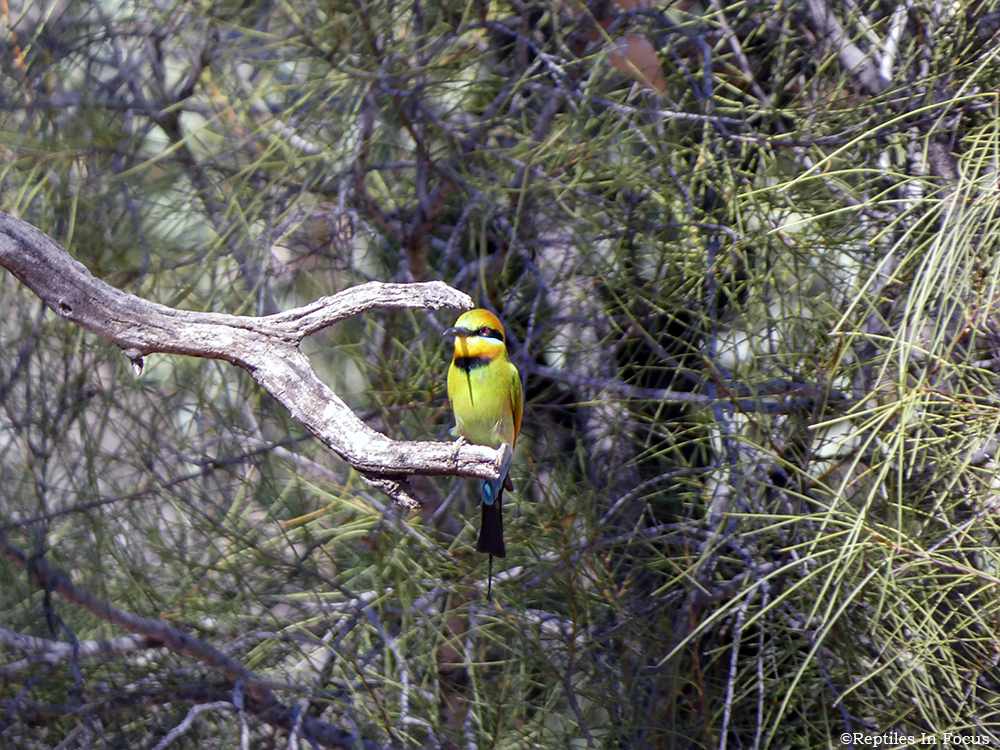
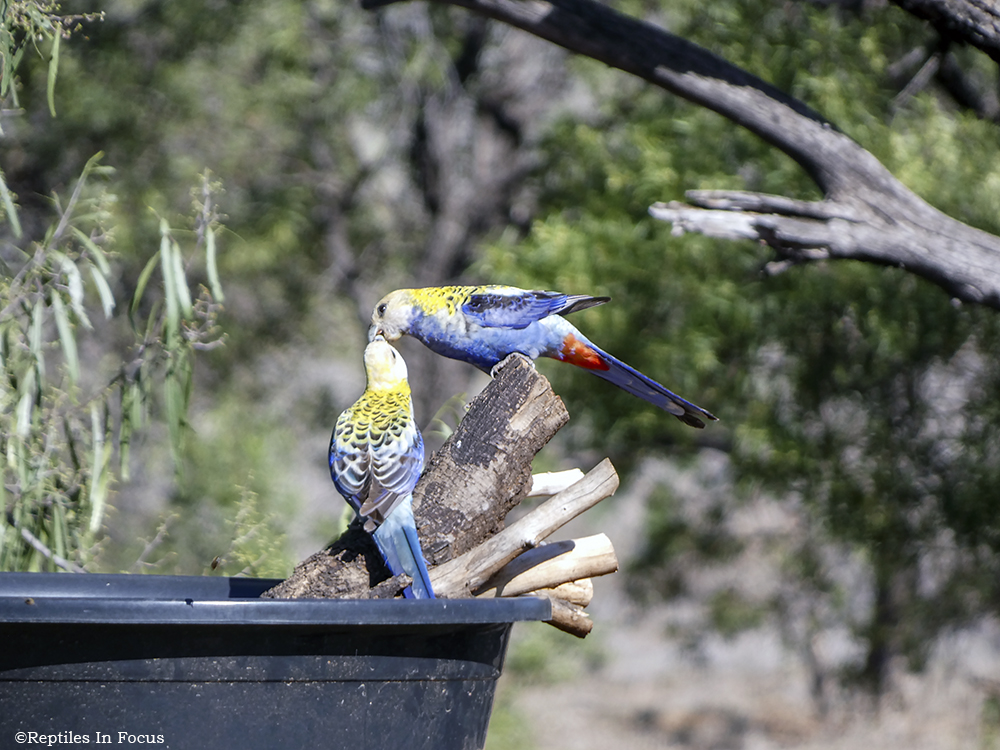
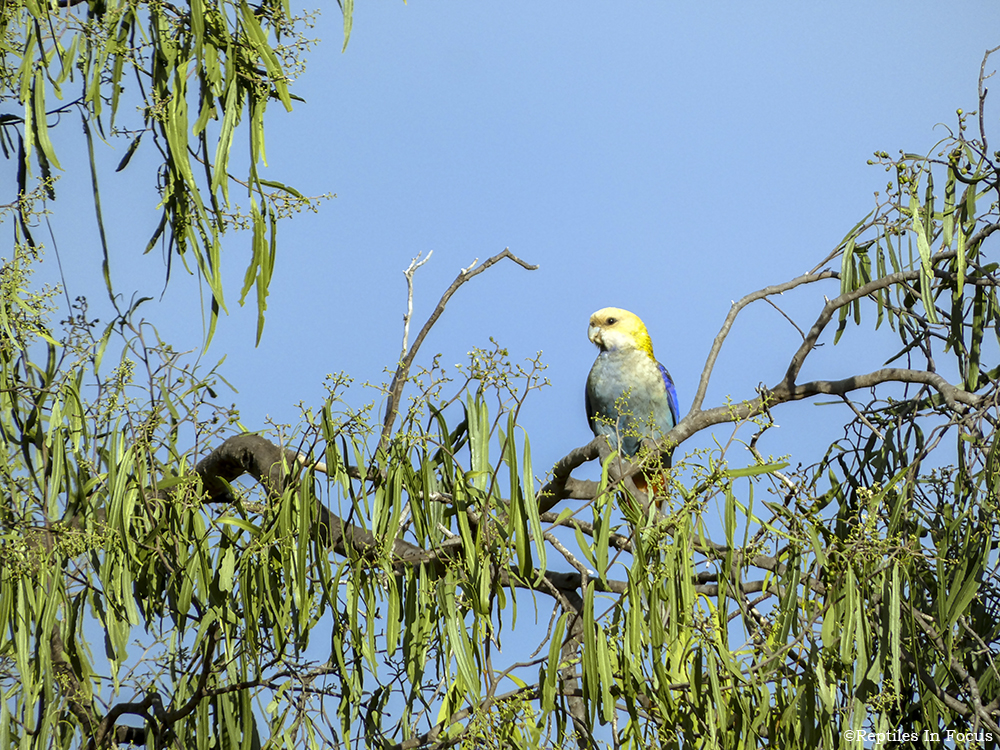
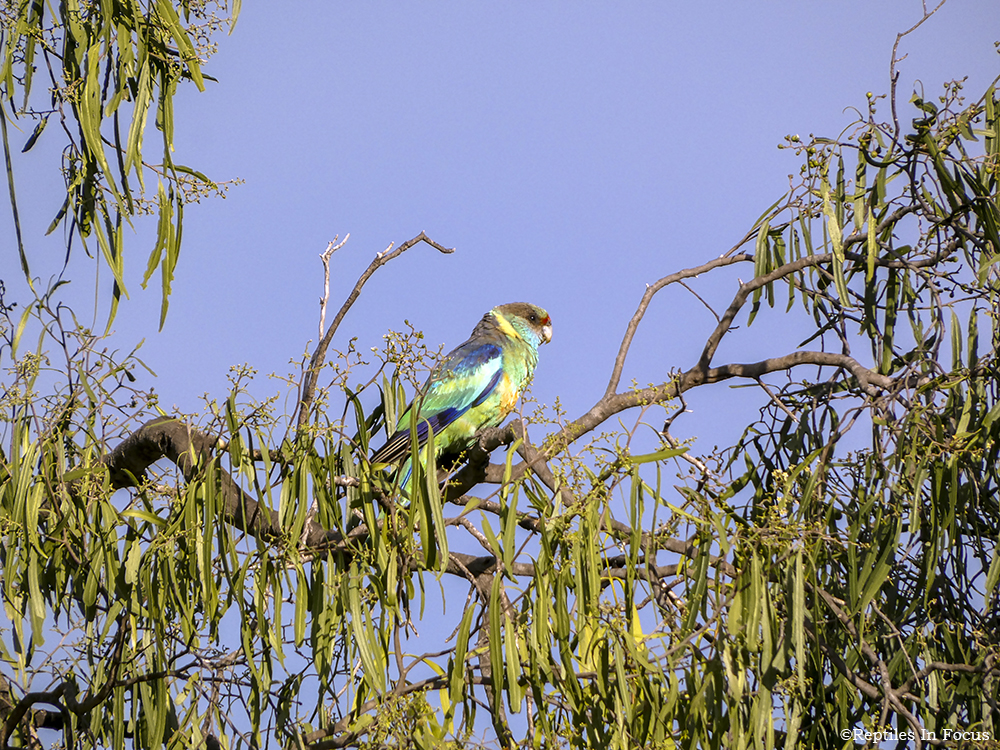
The first fourteen photos were taken on the sanctuary and feature some of the birds and other critters that share the space with the volunteers. Unfortunately, the wombats themselves don’t seem to want to be photographed which is fair enough considering they rarely emerge during the day anyway.
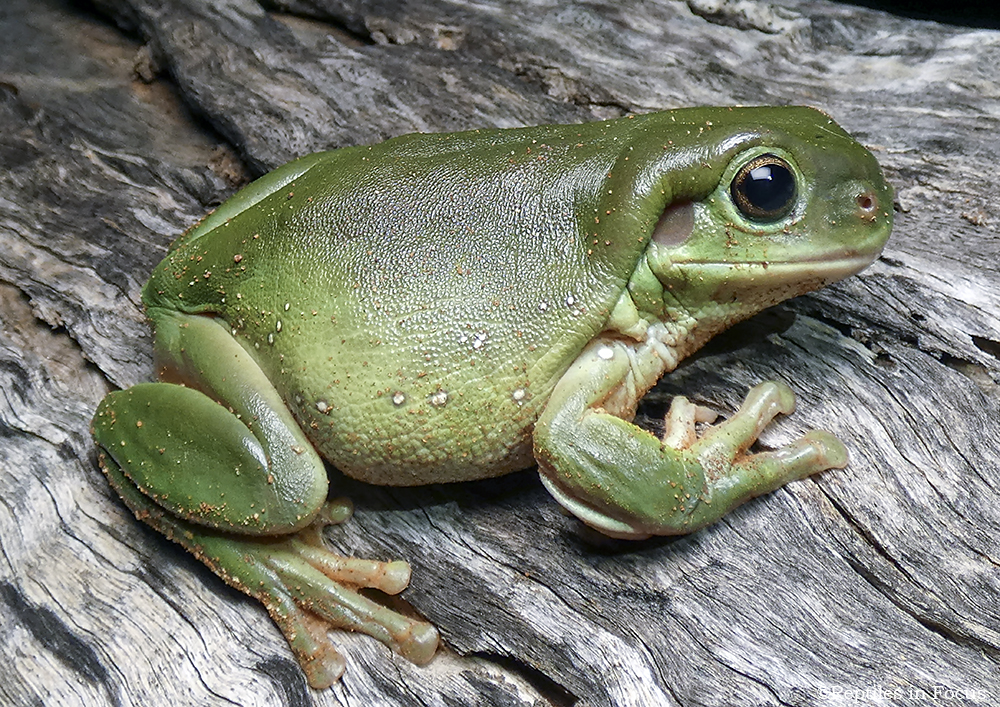
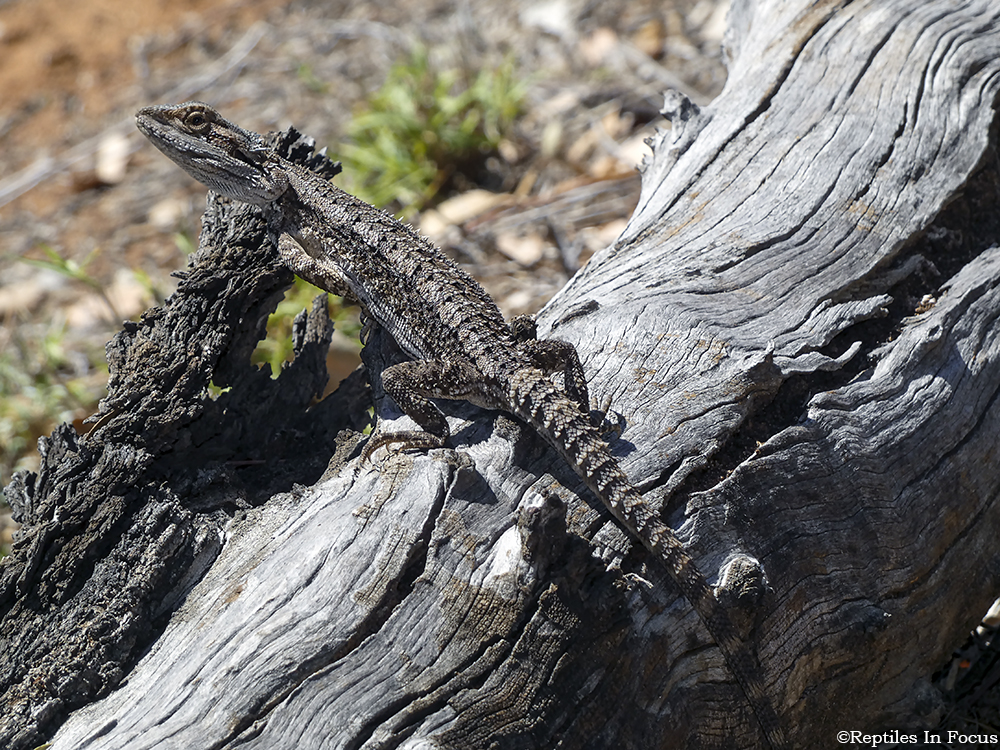
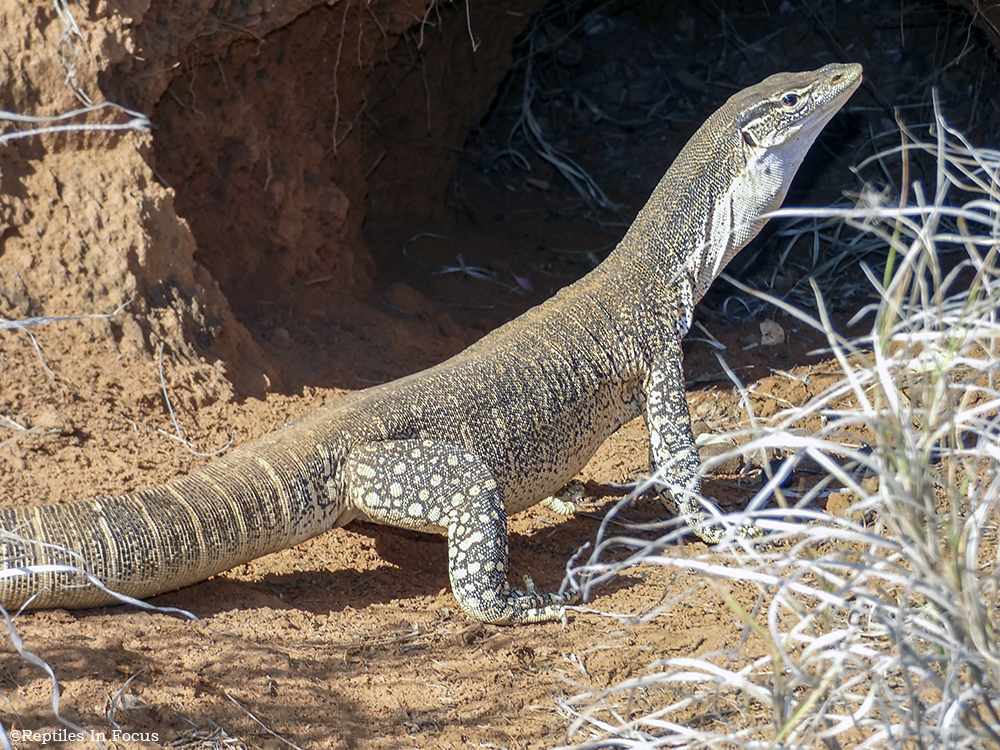
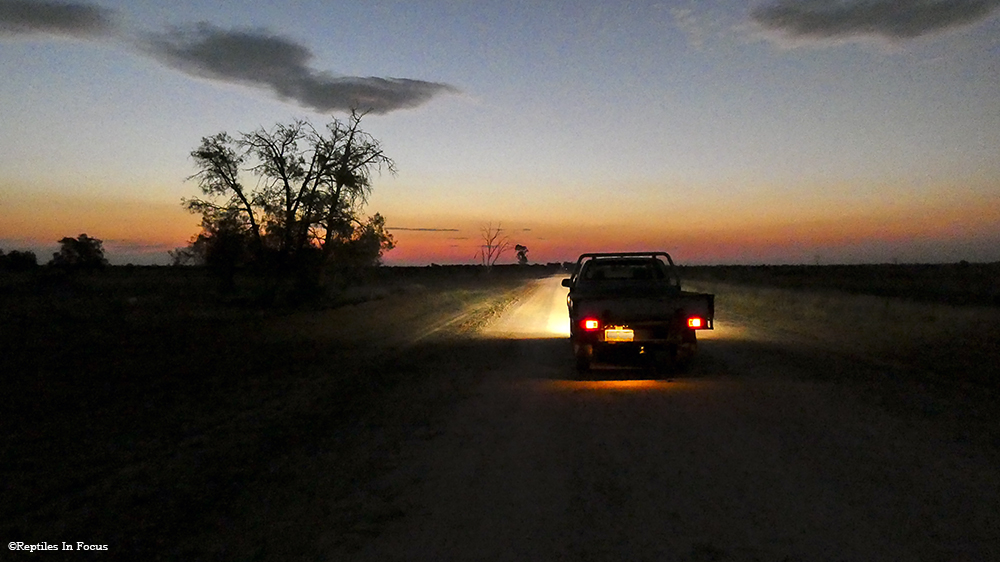
After fulfilling my daily commitments at the sanctuary, the rest of the day and nights were my own and I wasn’t going to let them go to waste. The weather was very hot during most days, but I find the dry heat much easier to cope with than the humid conditions we experience at this time of year at home on the Sunshine Coast. Unfortunately, the region experienced very little rain despite some storm activity dropping considerable but sporadic and localised falls in some areas. A few of the iconic burrowing frogs made an appearance at times but generally frog activity was low.
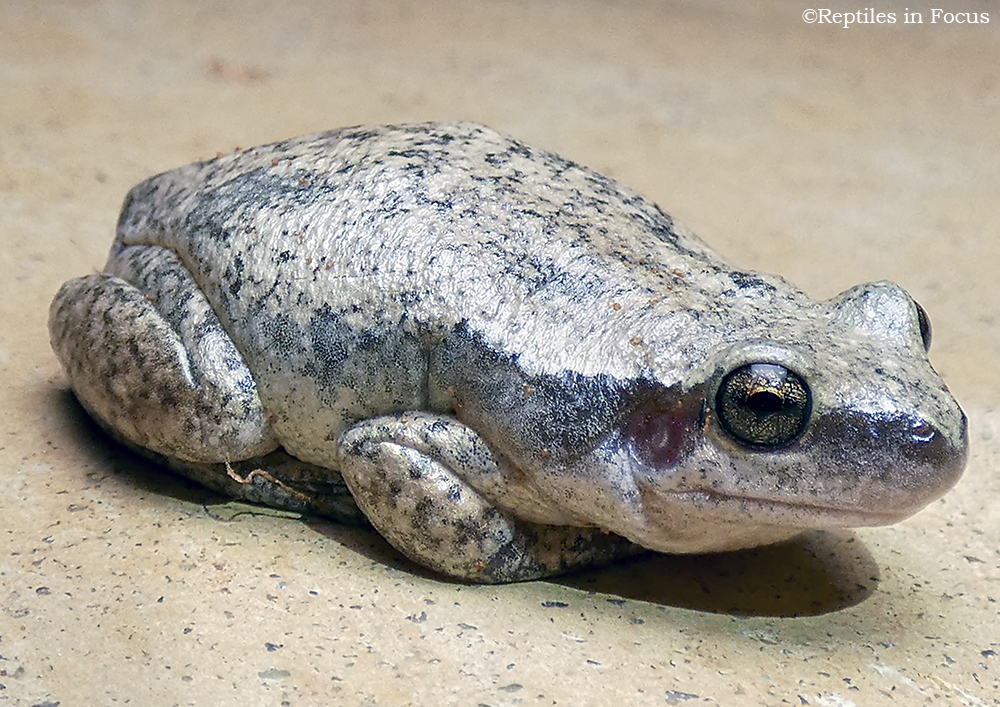
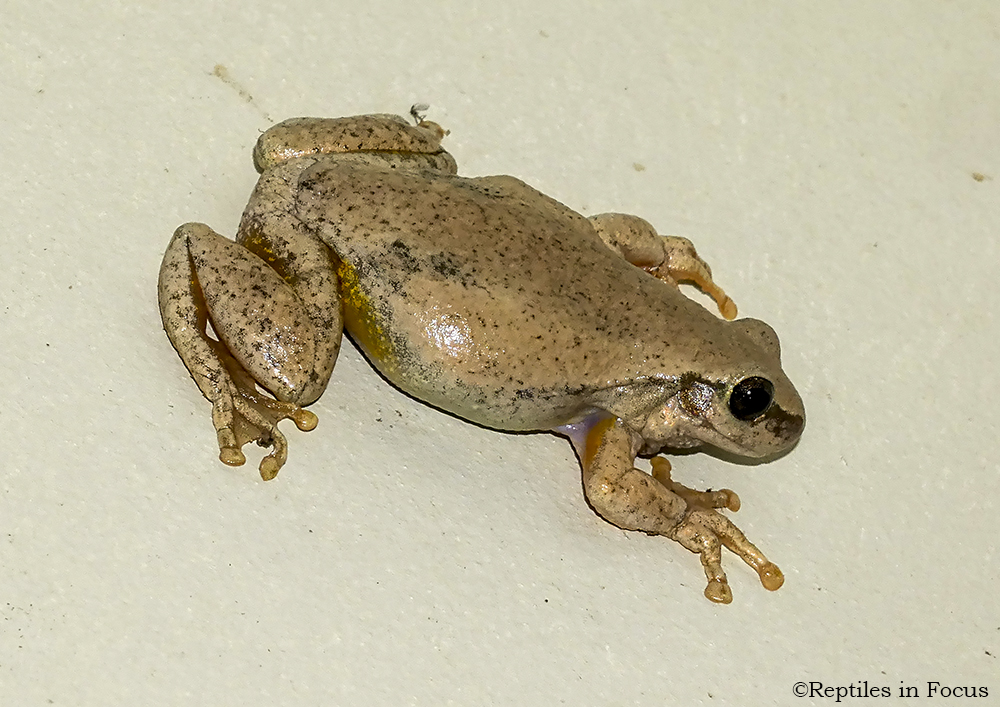
A light shower on the second night of my stay convinced a few of the local frogs to call and to my horror I realised that I had neglected to include one of them in my latest book Reptiles & Frogs of Southeast Queensland which was in the process of being printed during the month of my stay. The frog in question had this year been spilt into three separate species from the original species, the Naked or Red Tree frog Litoria rubella and since reclassified under a brand-new genus as Colleeneremia rubella with the coastal species now known as Colleeneremia pyrina. Unfortunately, I had made the changes to my manuscript early on when Colleeneremia pyrina was thought to extend past the western boundaries of my book but has since, through the great work of Frog ID been redistributed east of the Maranoa and Balonne regions. Not happy but I only had myself to blame for not keeping up with the information available.
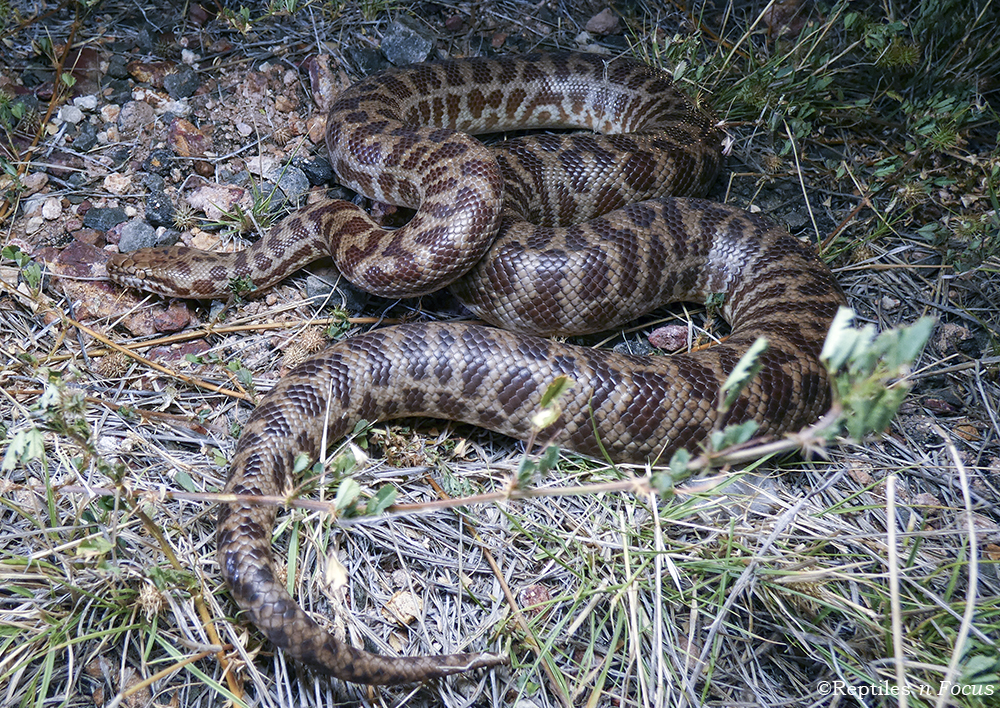
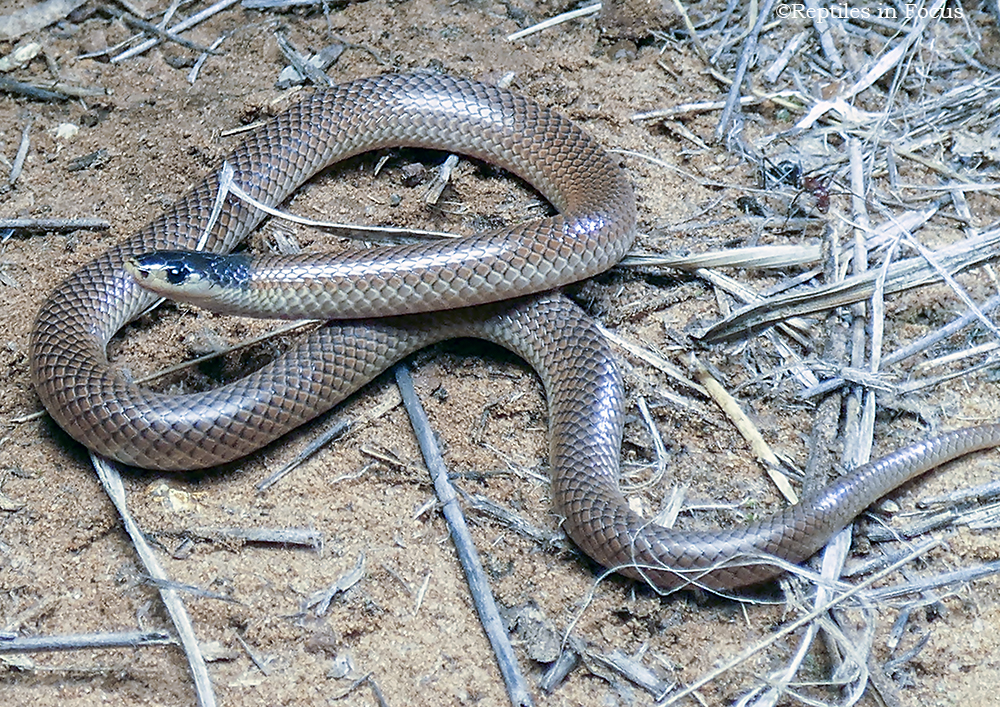
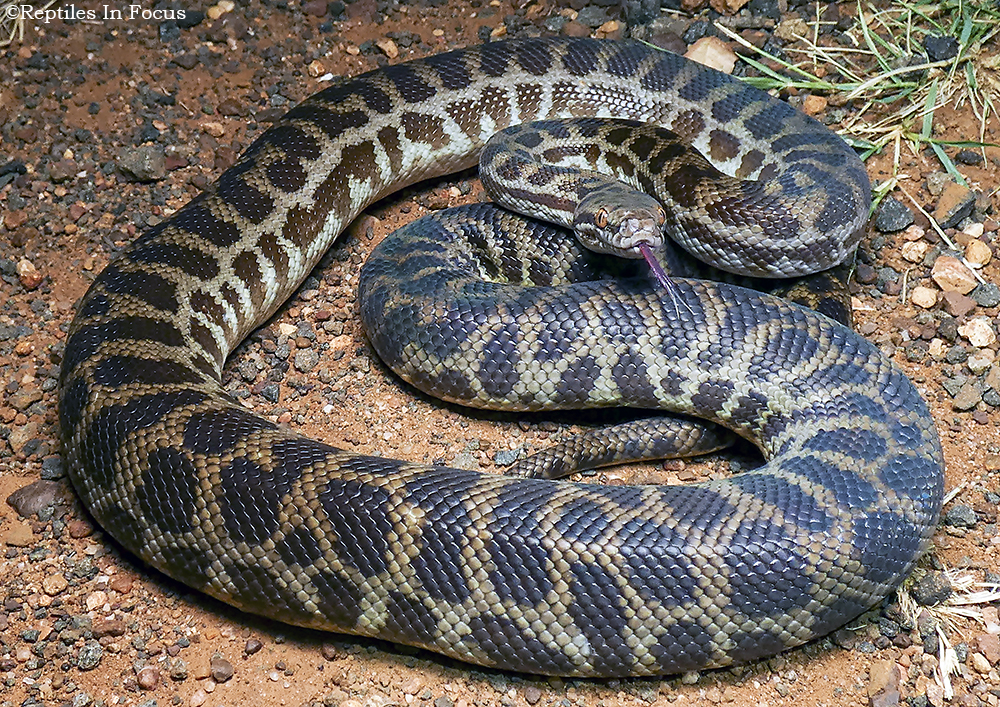
As if that wasn’t bad enough on the third night while searching for critters along the roads, I came across another notable omission, a very fat and healthy Childrens python Antaresia childreni formerly known as a Stimson’s python, a snake which I incorrectly assumed lived at least a hundred kilometers further to the west. You live and learn I suppose but the timing couldn’t have been worse for both critters in terms of missing out on the original copy of my book. Thankfully I hadn’t printed too many copies, so a revised edition is due out in early 2026 which will include these two and a few extra photos.
I won’t include photos of every single animal I saw on this trip; it would be way too long and probably boring but some of them are featured below. Not a tremendous array of species but considering the weather not too bad either and some species seemed to be everywhere; the Burton’s Snake Lizard was a notable example with probably 30 to 40 sightings for the month. Enjoy and feel free to comment please.
Some of the frogs. A beautiful Knife-footed frog.
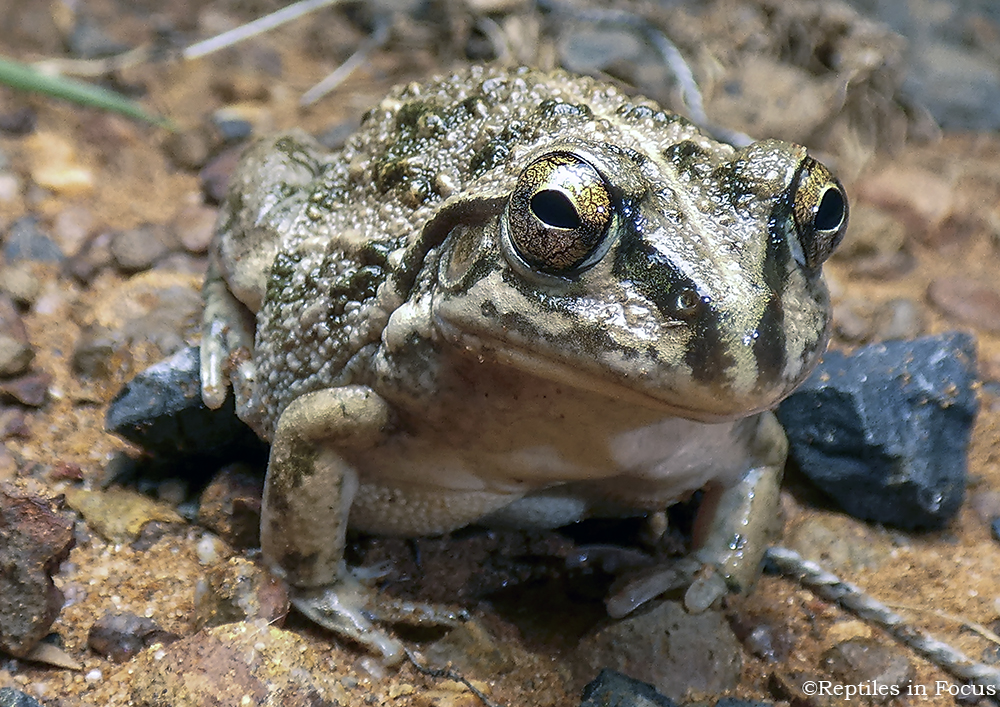
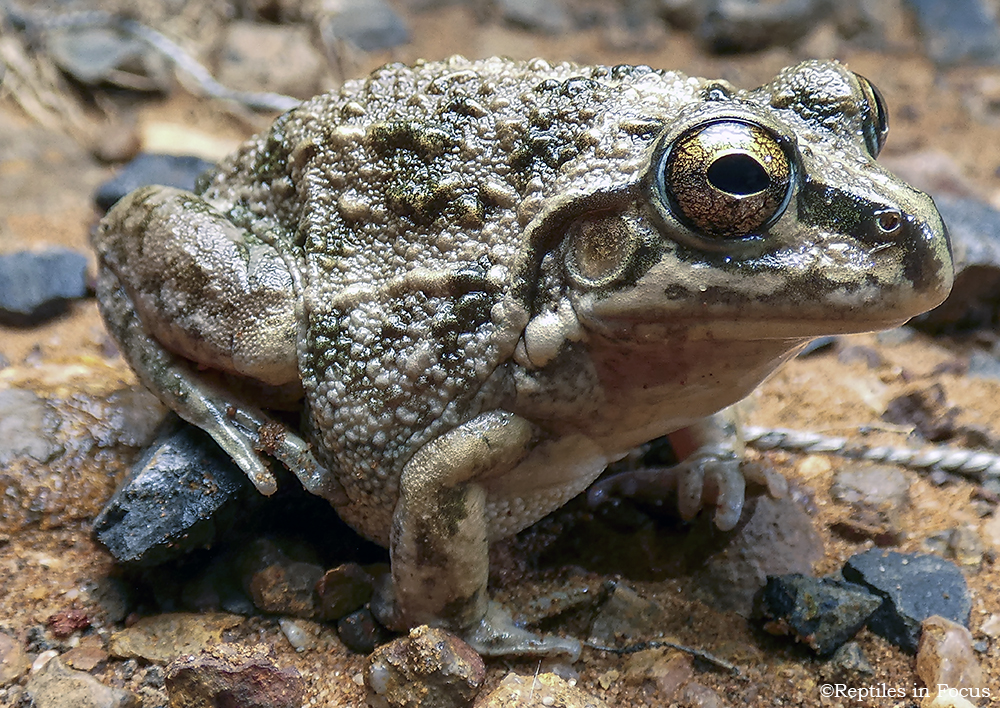
A barking frog with the classic pink eyelid patches.
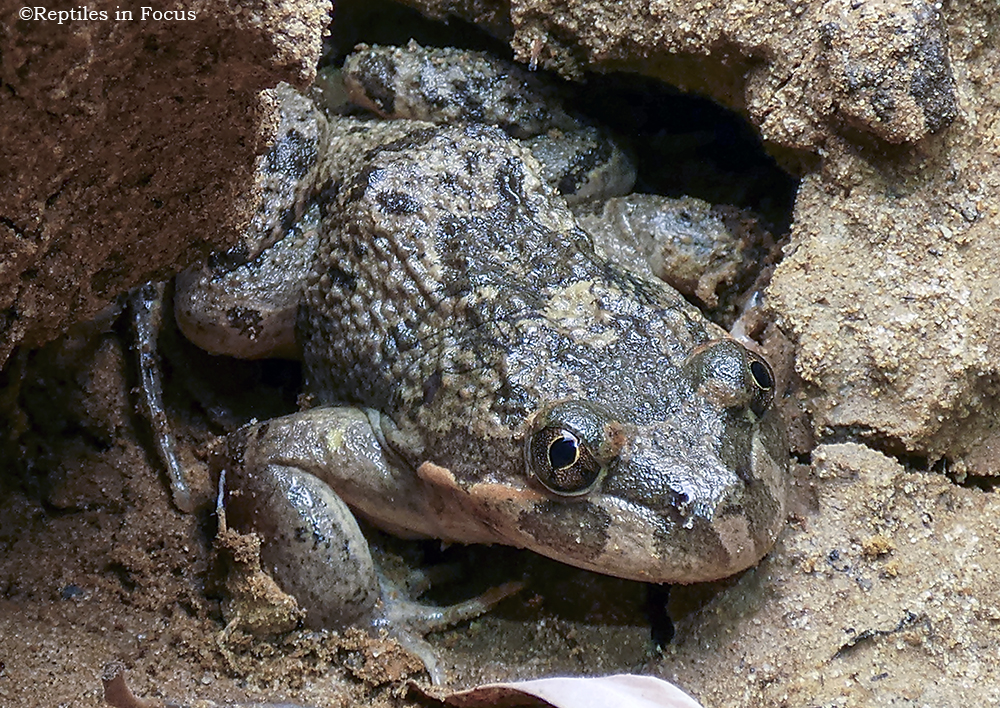
An Ornate burrowing frog with a pretty green tinge.
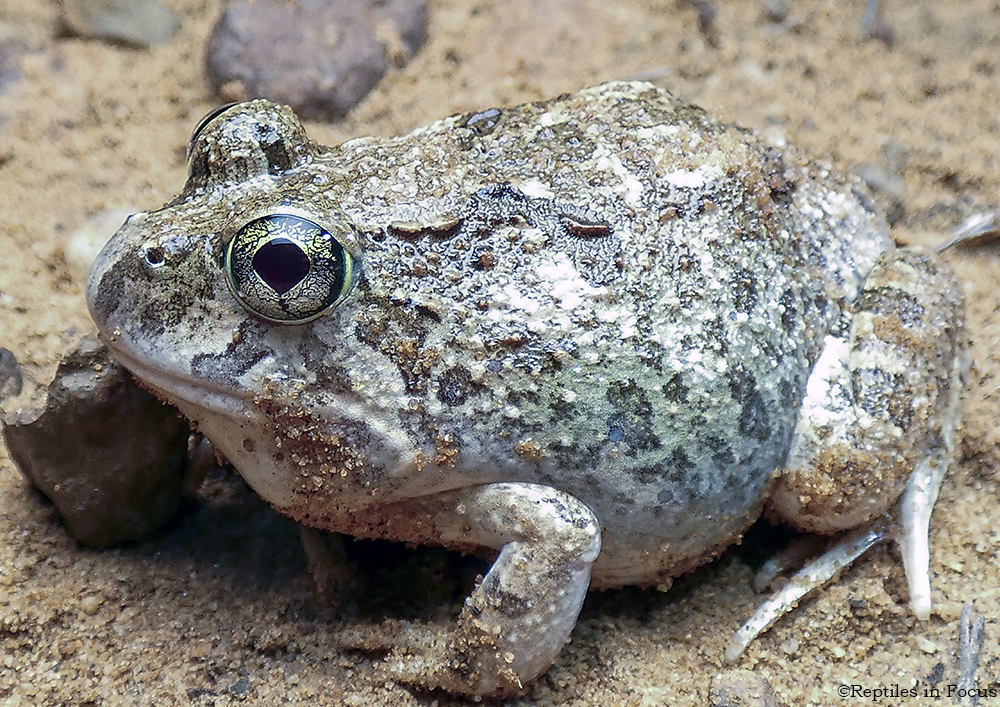
Salmon-striped frog
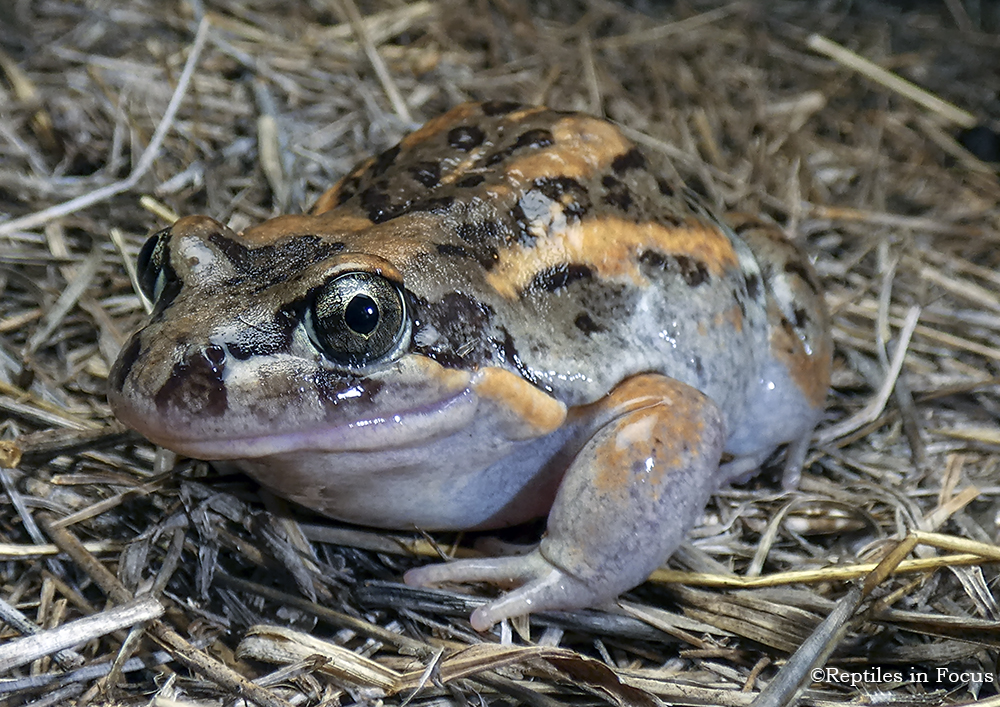
Spotted Marsh frog emerging after light rain.
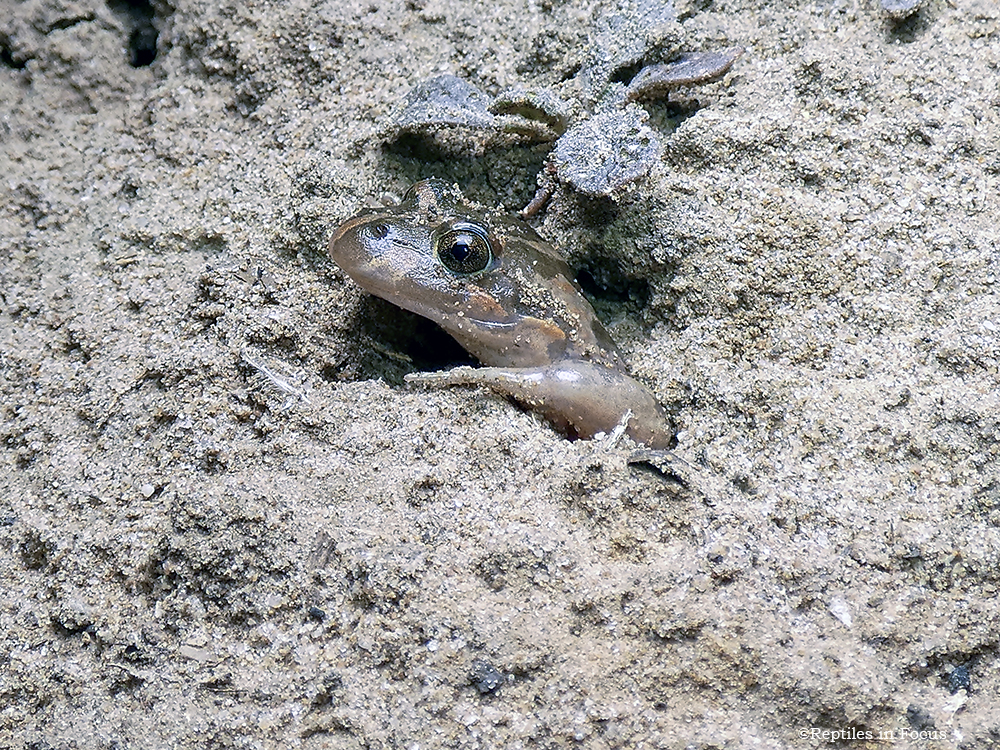
A few of the Burton’s Snake Lizards exhibiting a stunning range of colours and patterns.
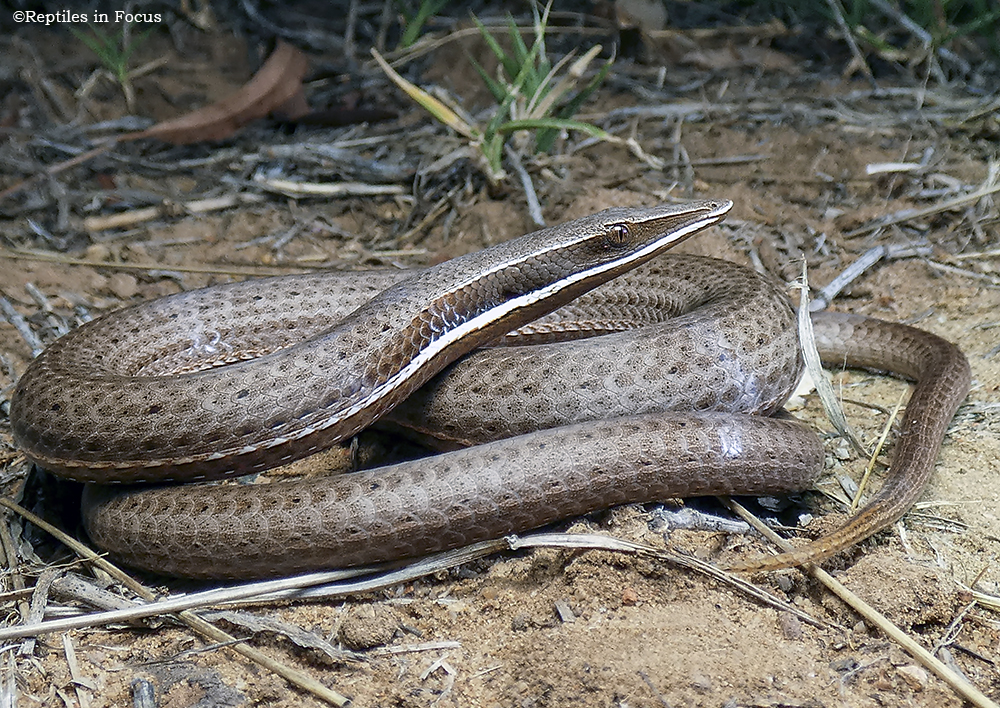
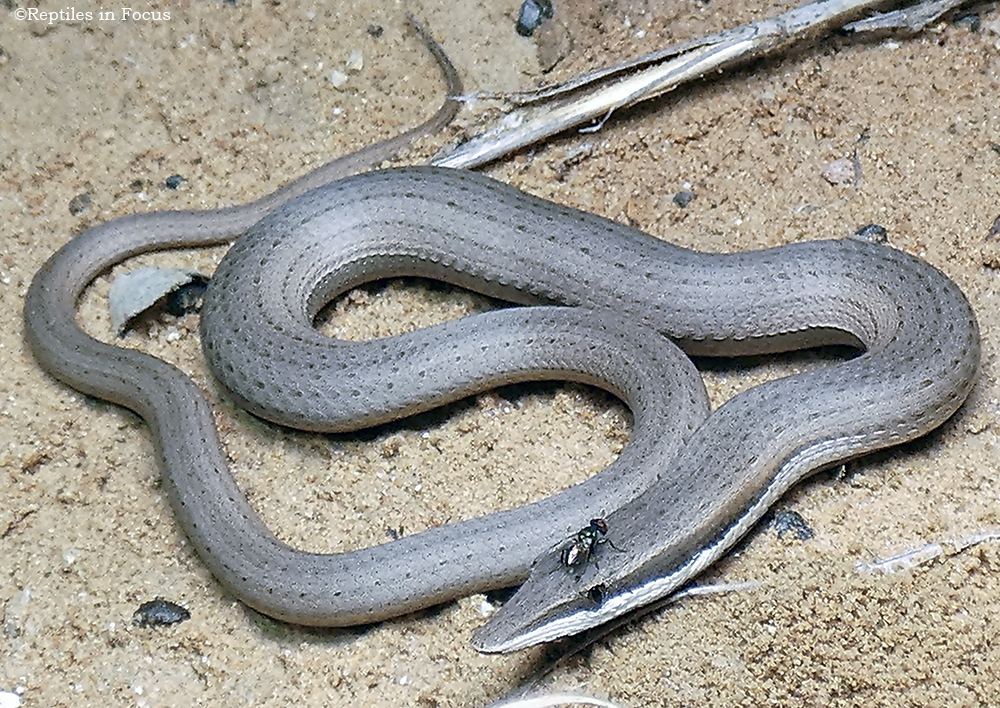
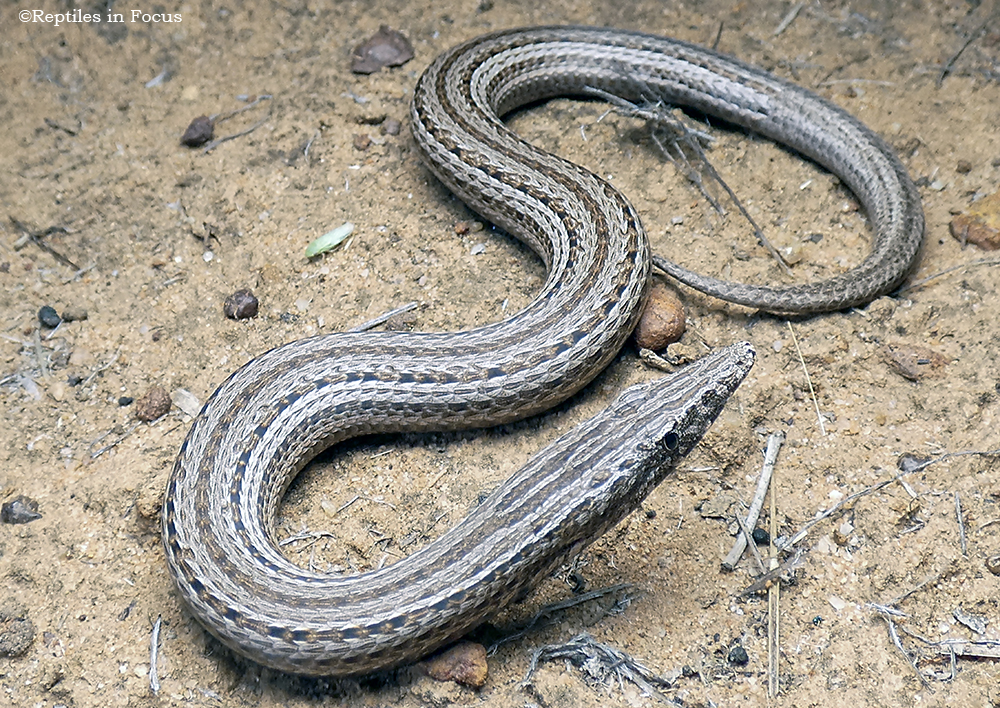
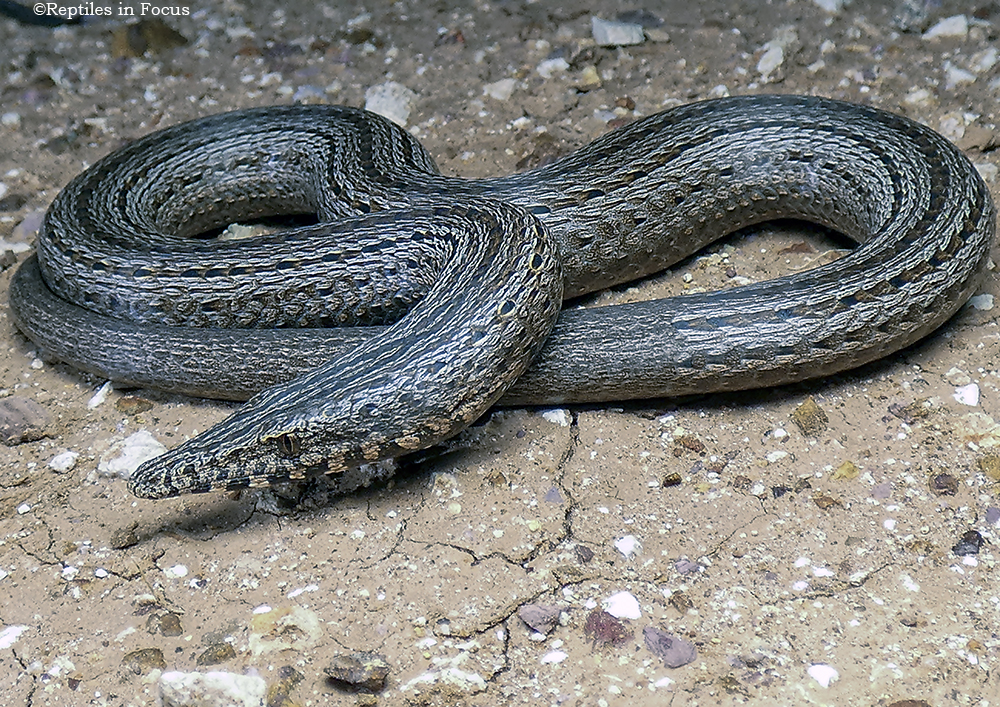
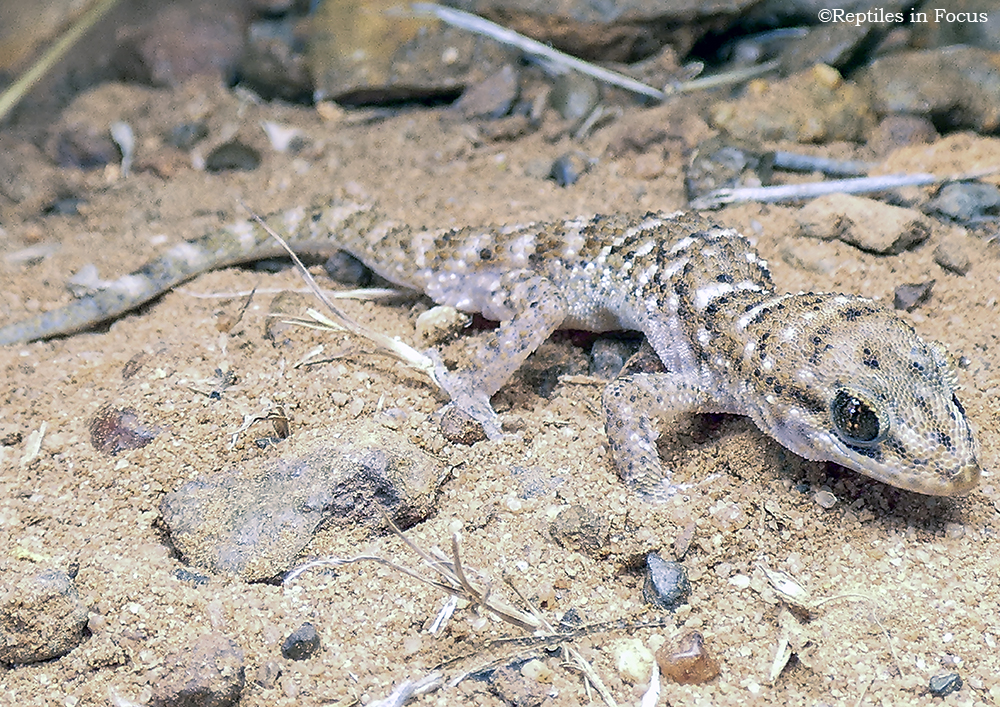
Closely related legless lizards and geckos. Starting with the Eastern Hooded Scaly-foot.
Eastern Spiny-tailed gecko, another relatively common sighting.
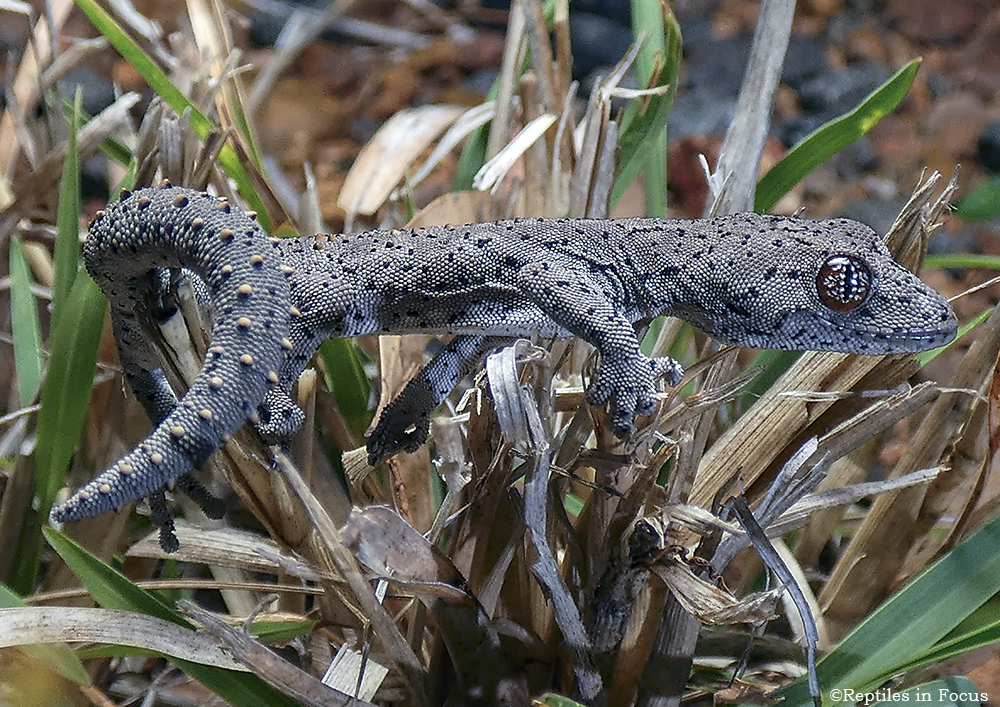
Eastern Stone gecko
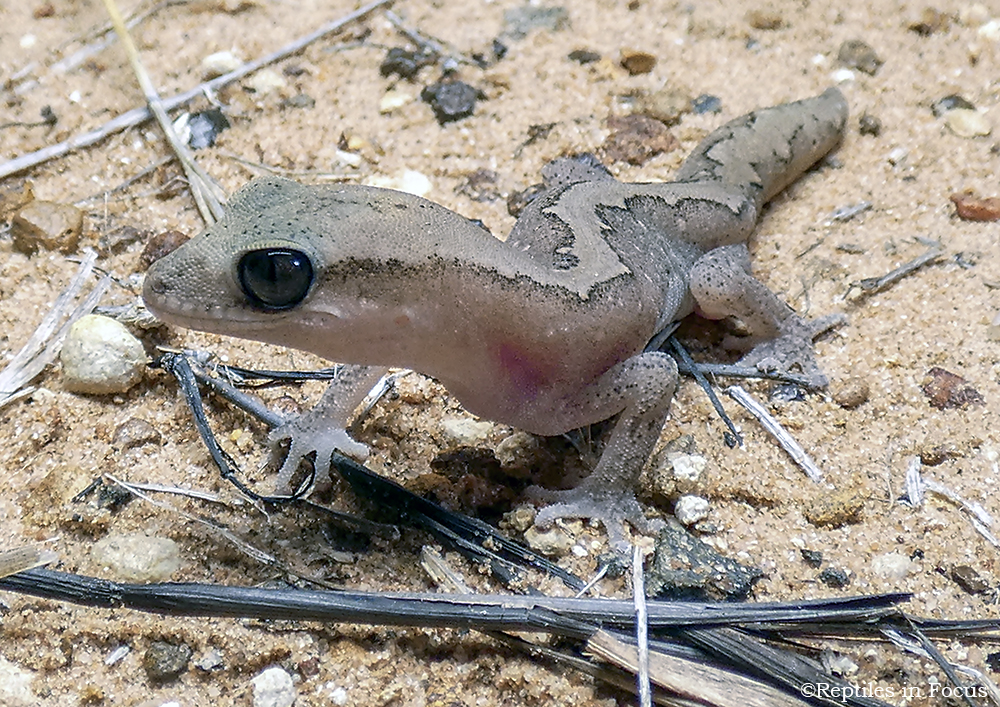
Box Patterned geckos
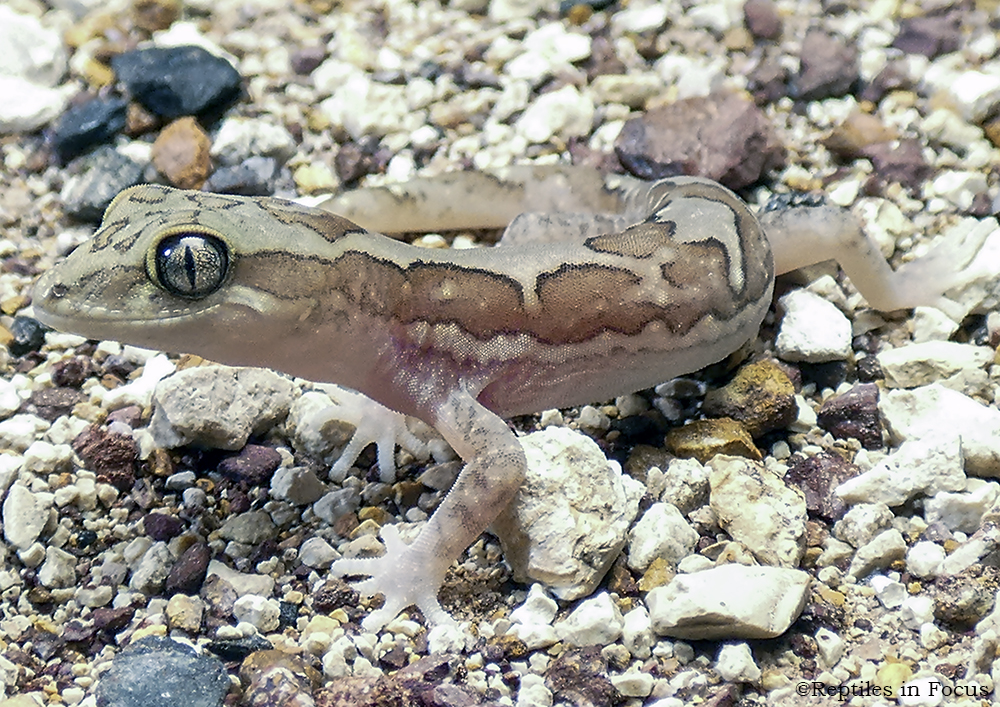
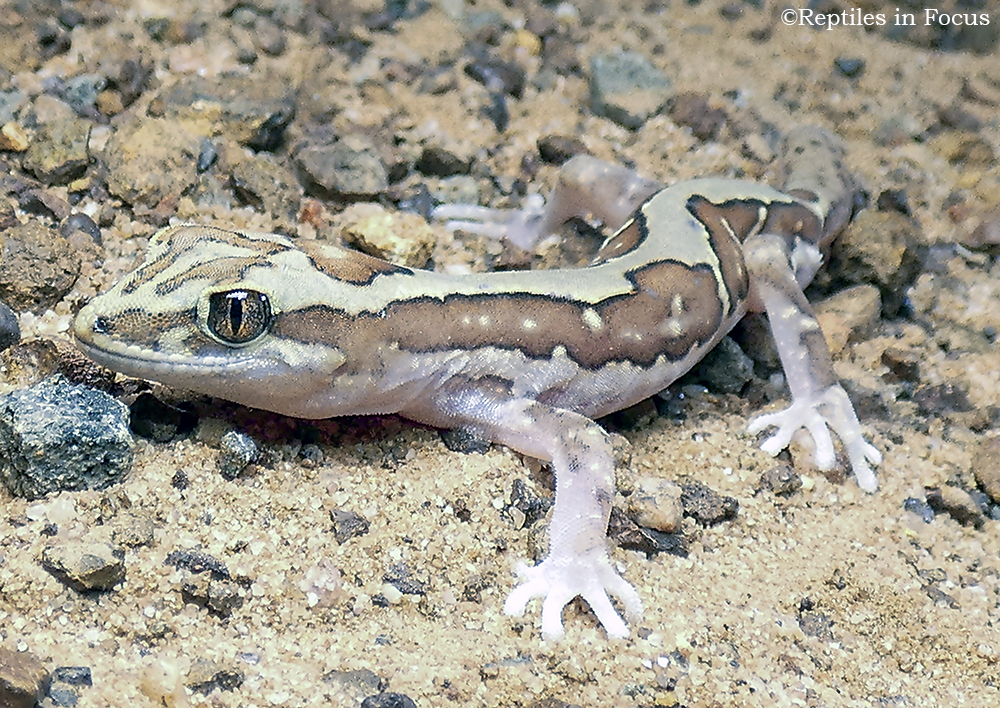
Golden-tailed gecko.
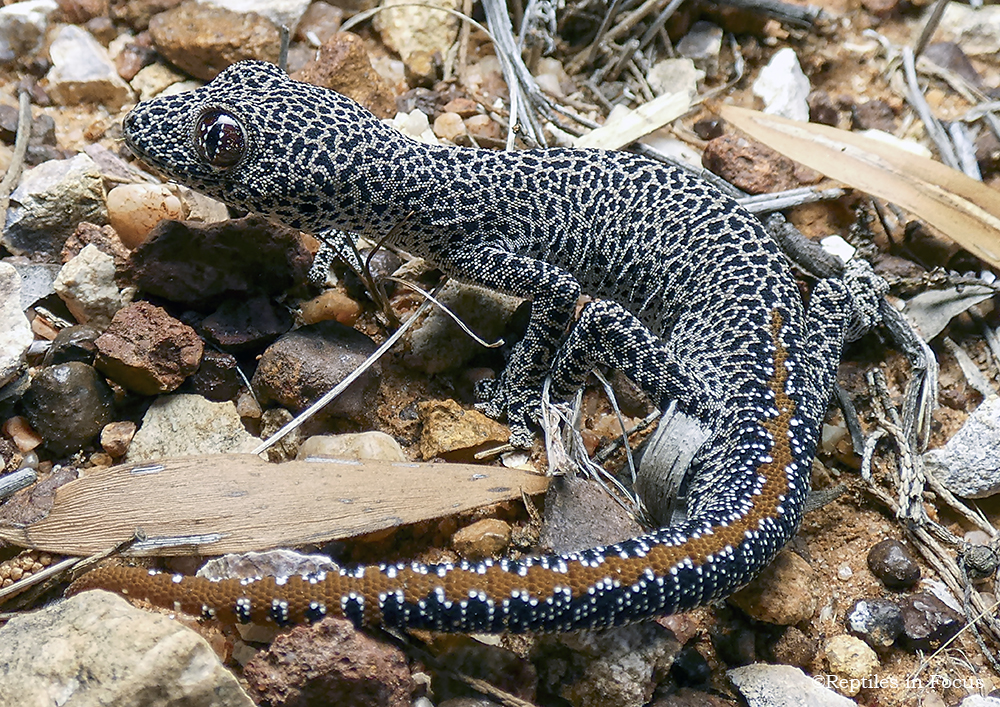
Tesselated geckos.
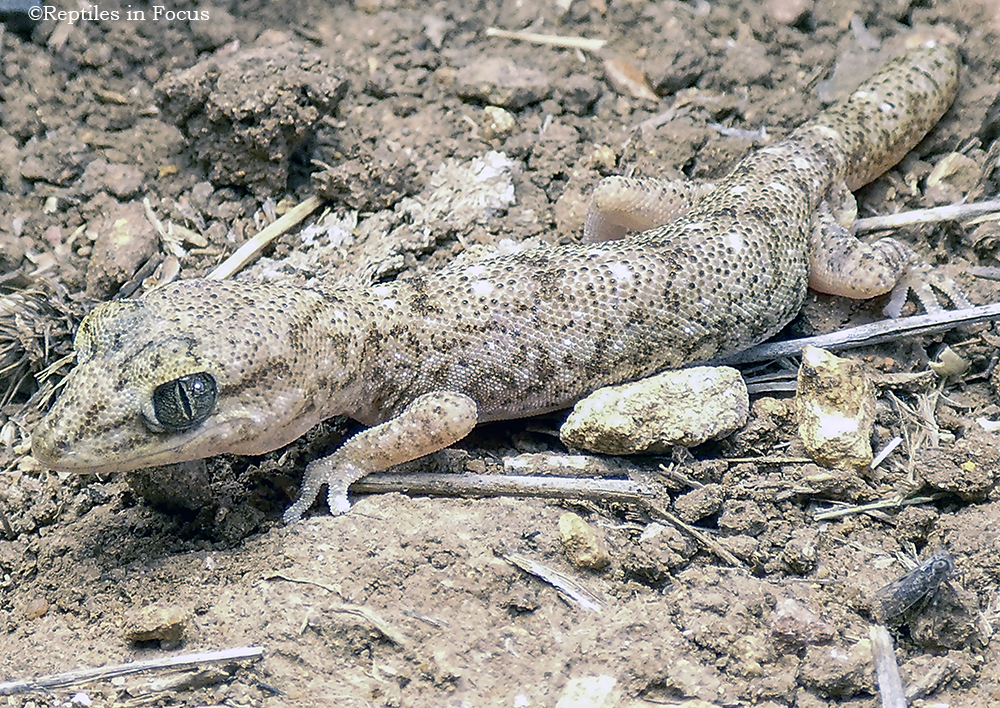
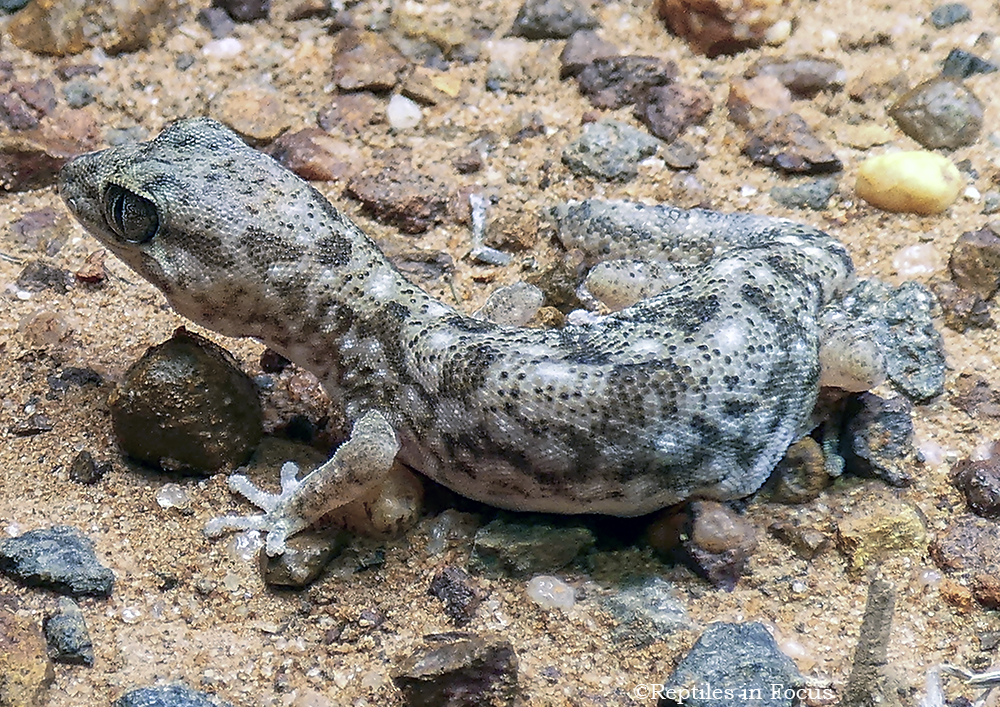
Inland Velvet gecko.
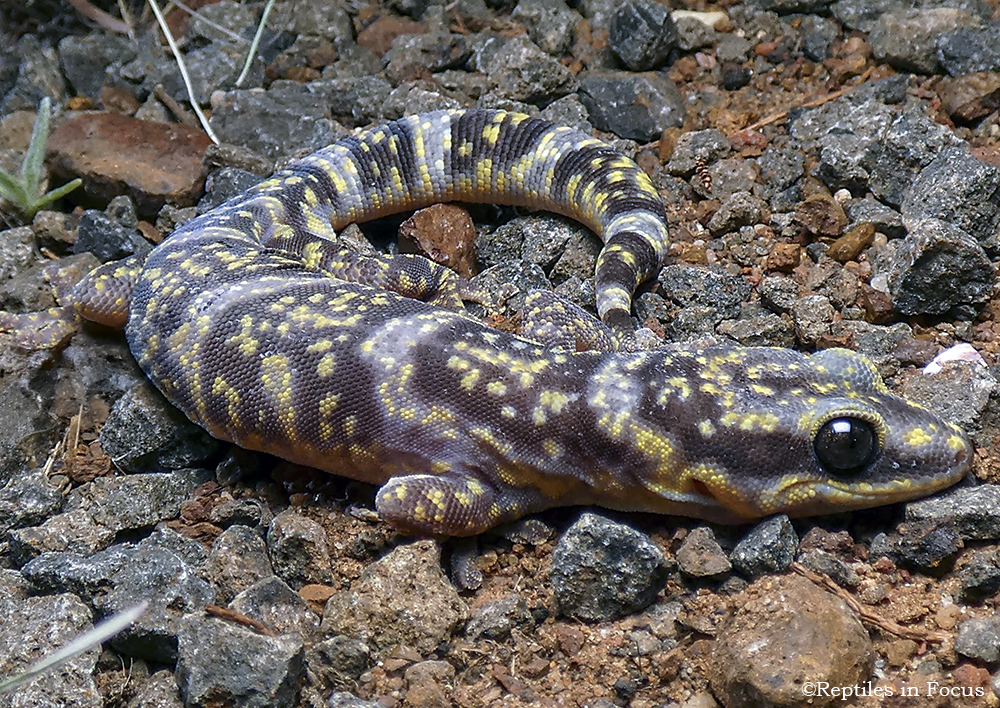
Bynoe’s gecko.
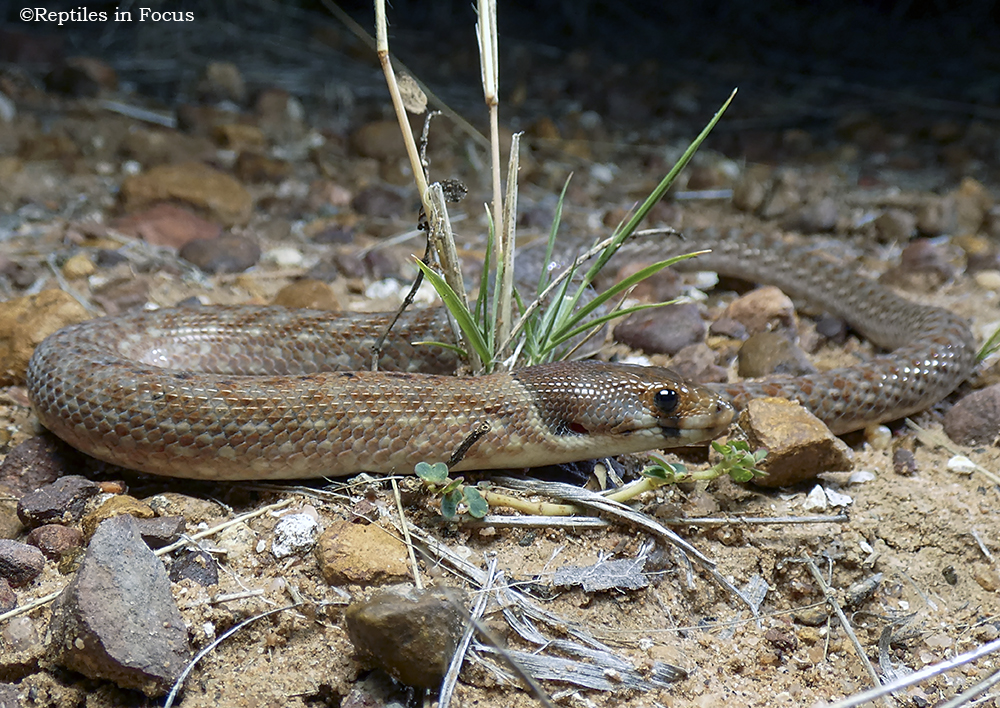
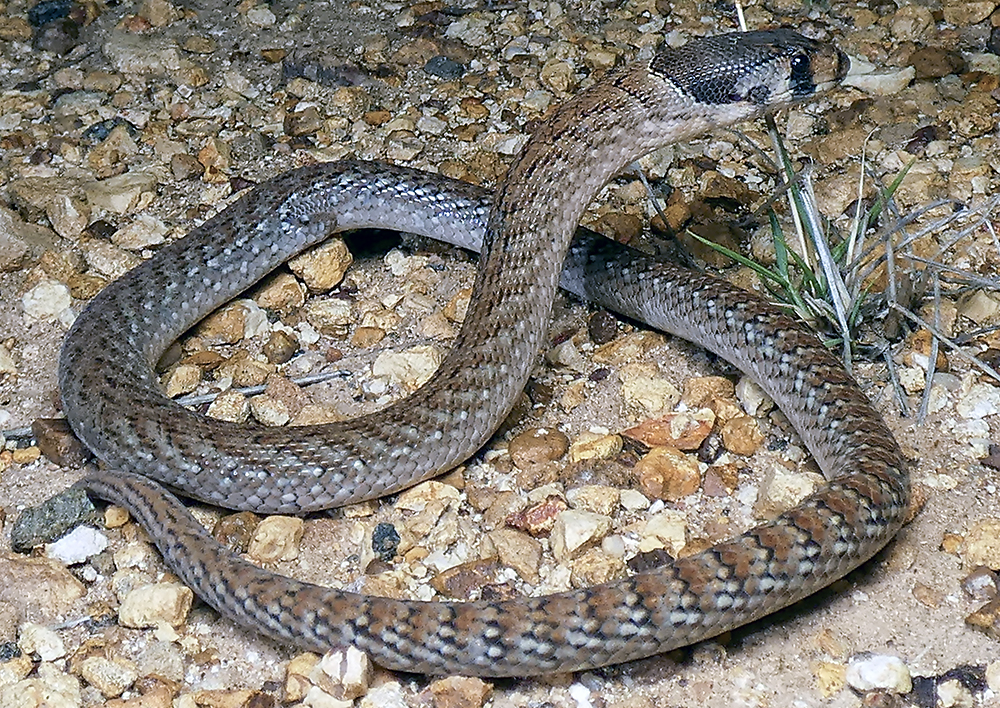
Some snakes, Australian Coral snakes.
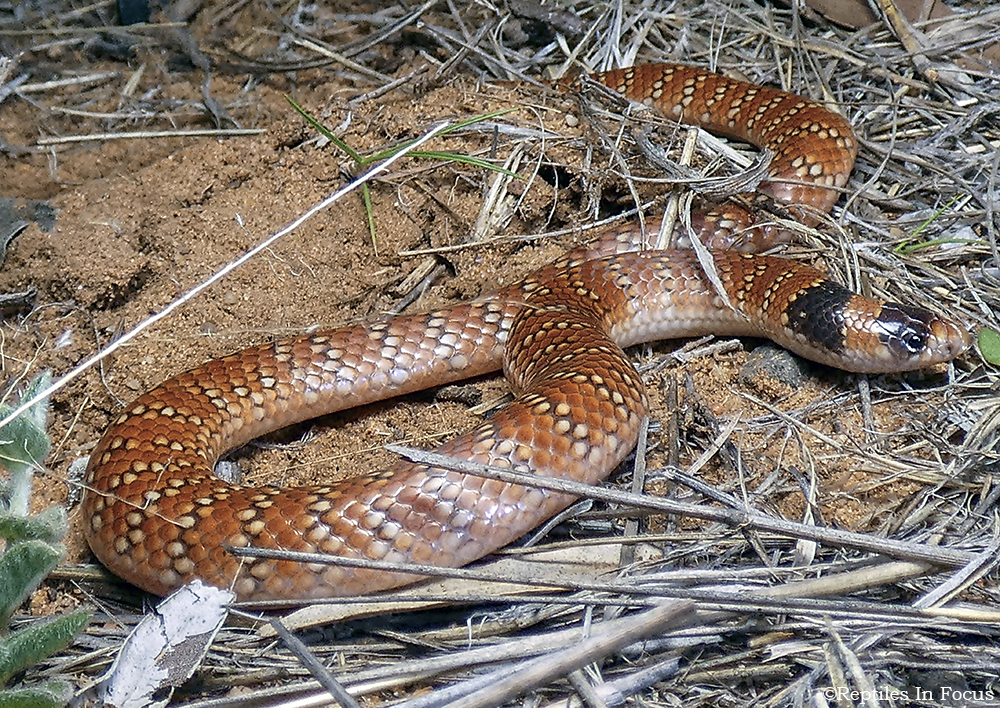
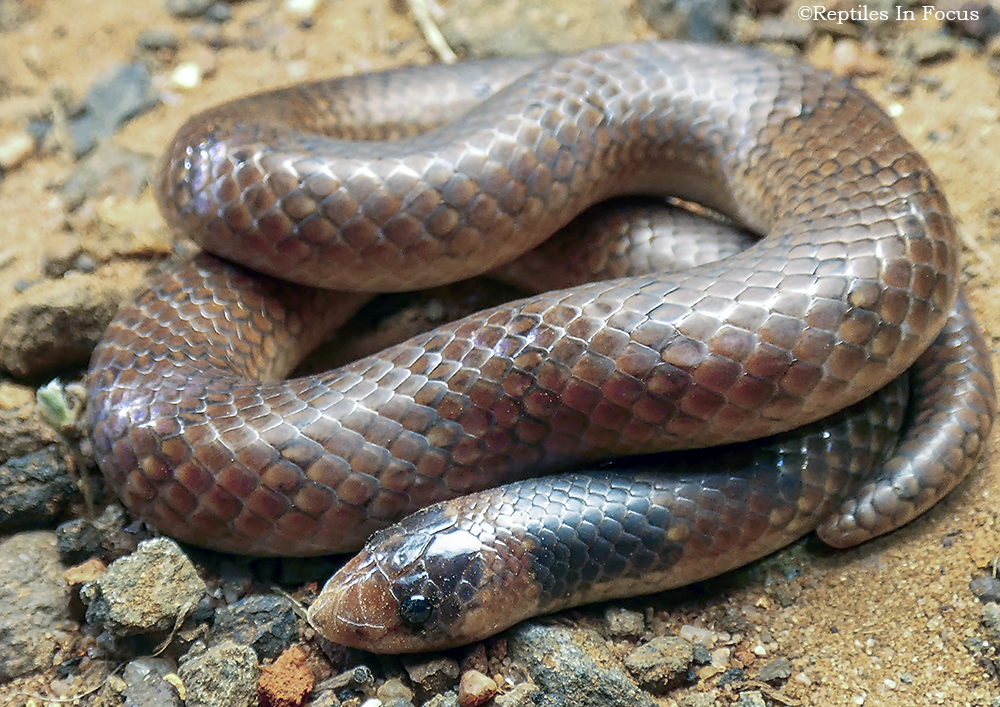
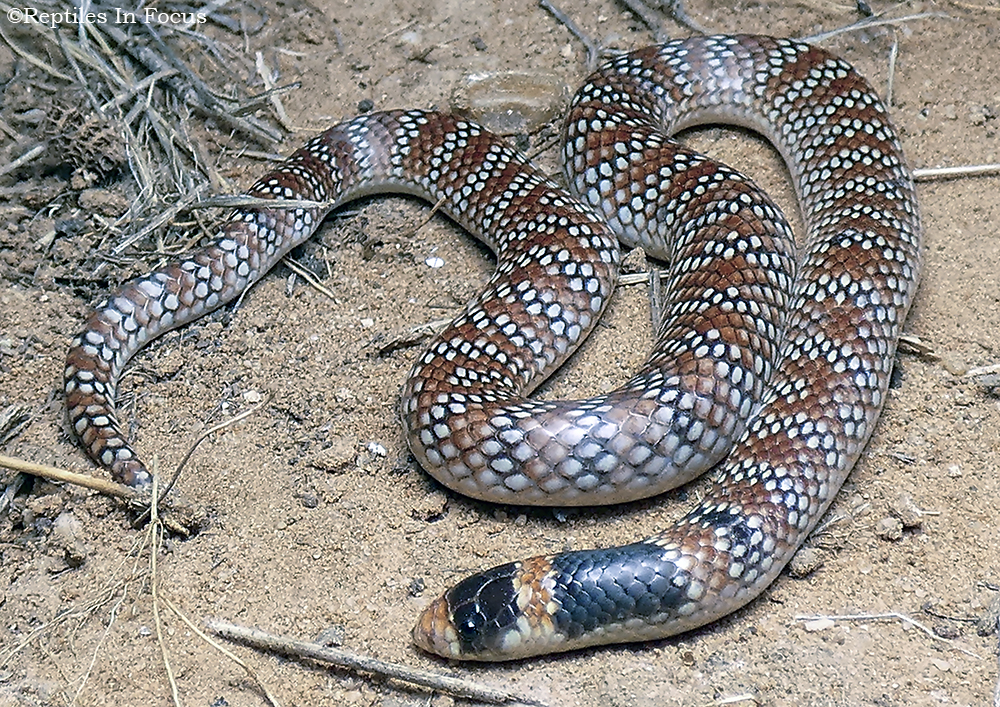
Mulga or King Brown snake.
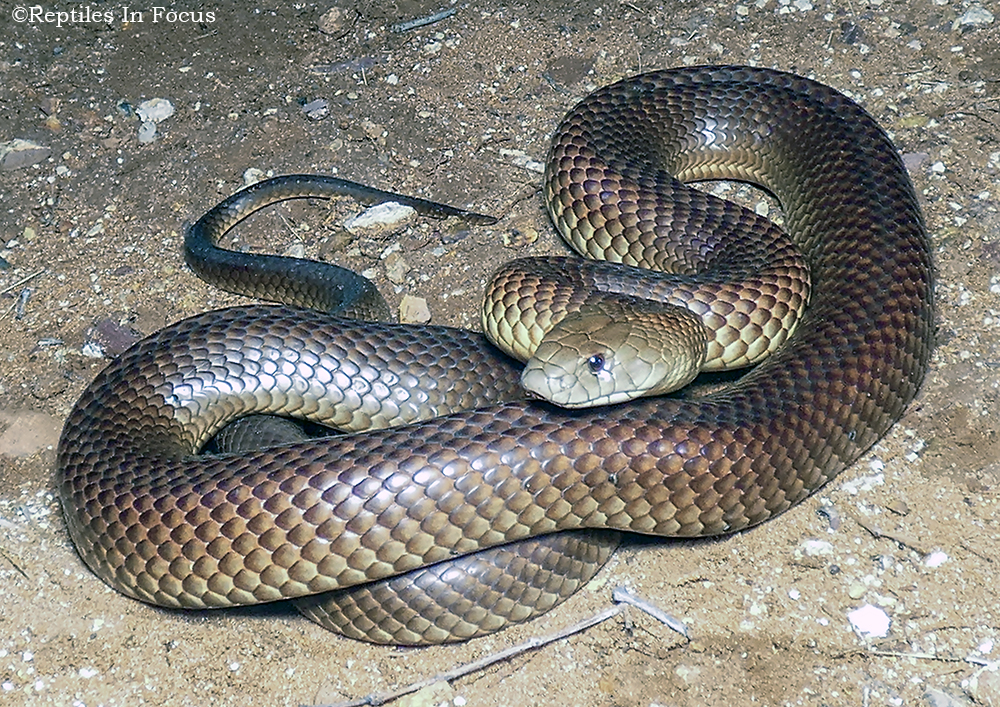
Curl snake.
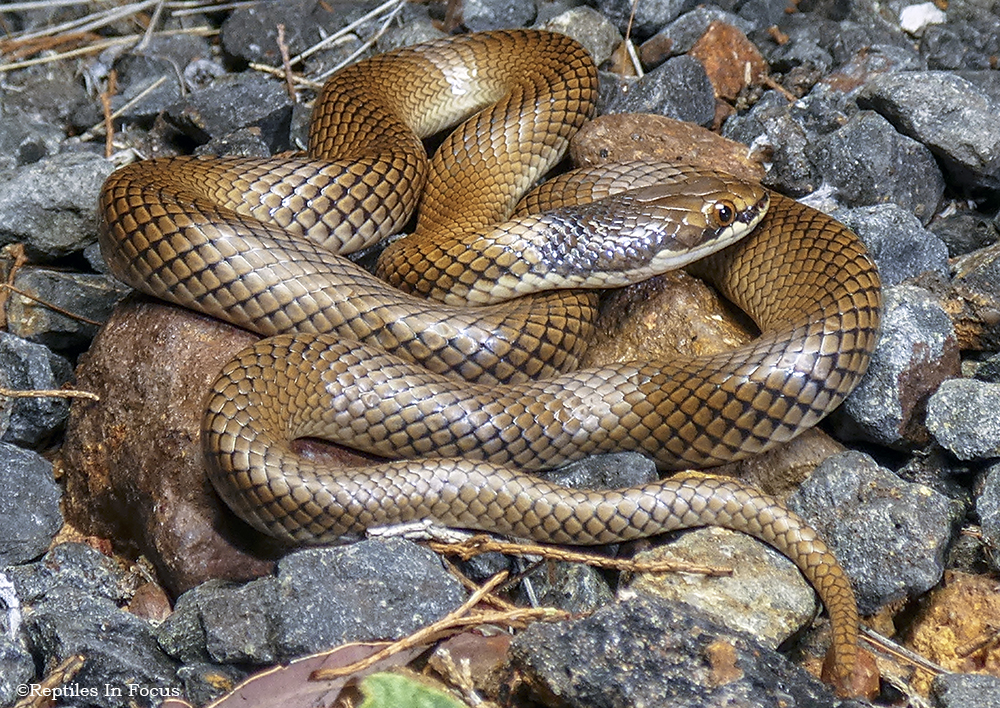
De’ Vis Banded snake
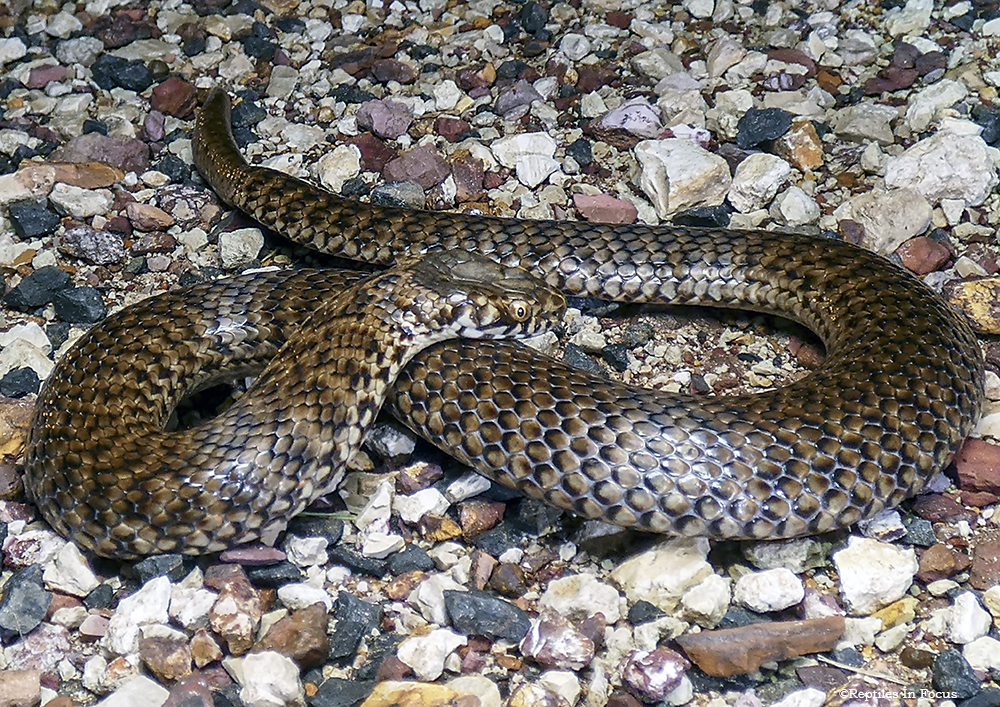
Bandy Bandy. Looking a little different to the local Sunshine Coast BB’s with much thinner white bands.
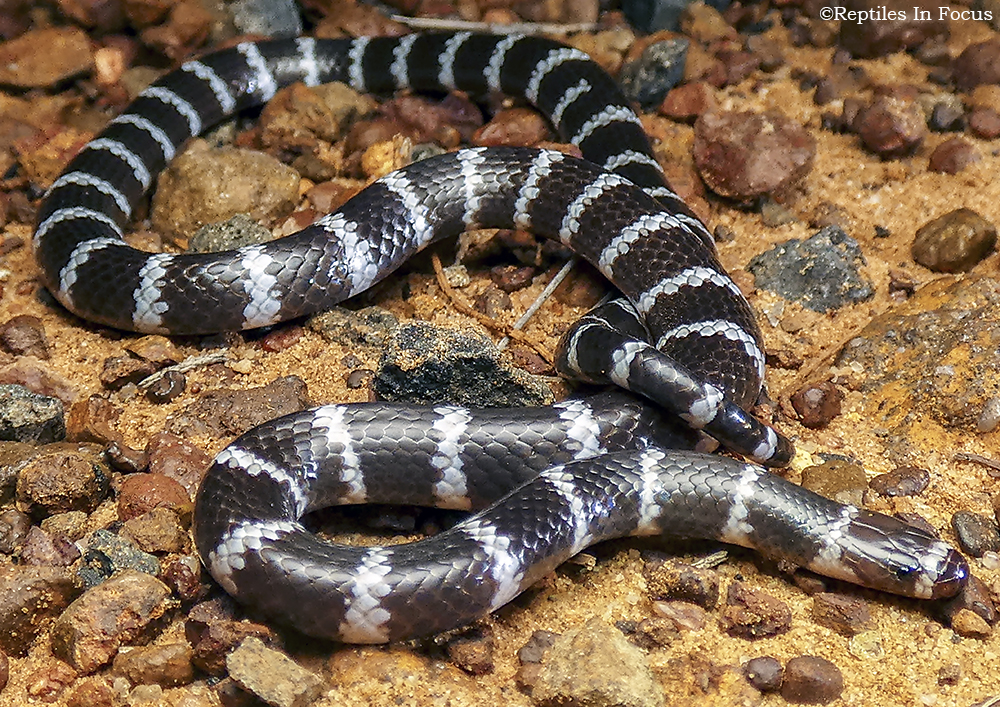
Dwyer’s snake.
A second Children’s python confirming the first wasn’t a fluke.
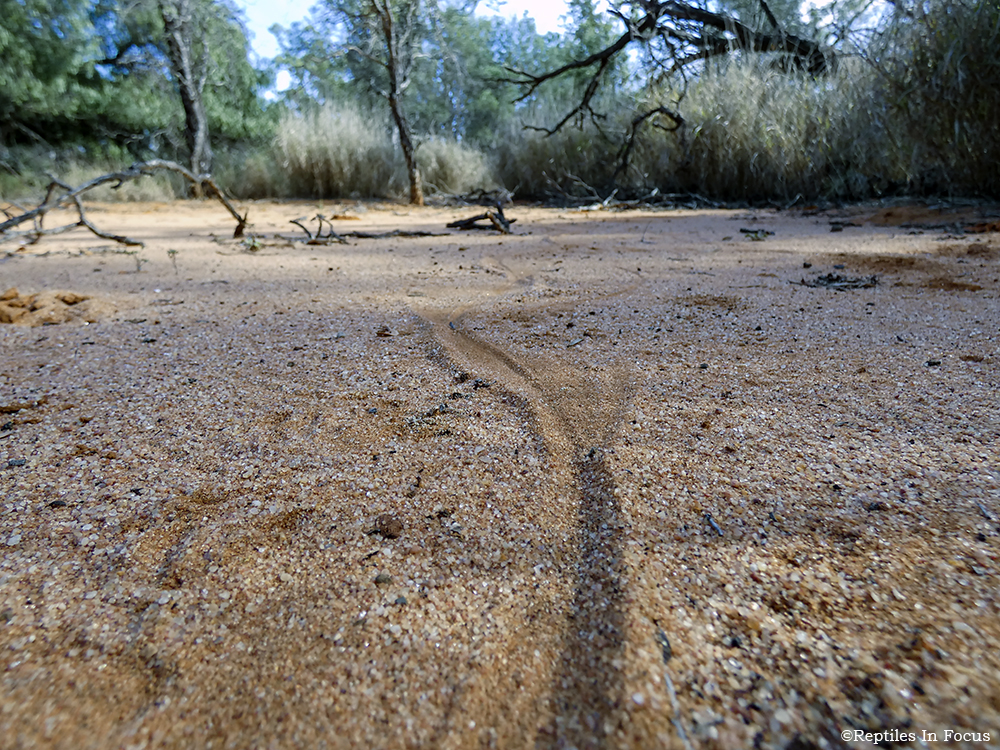
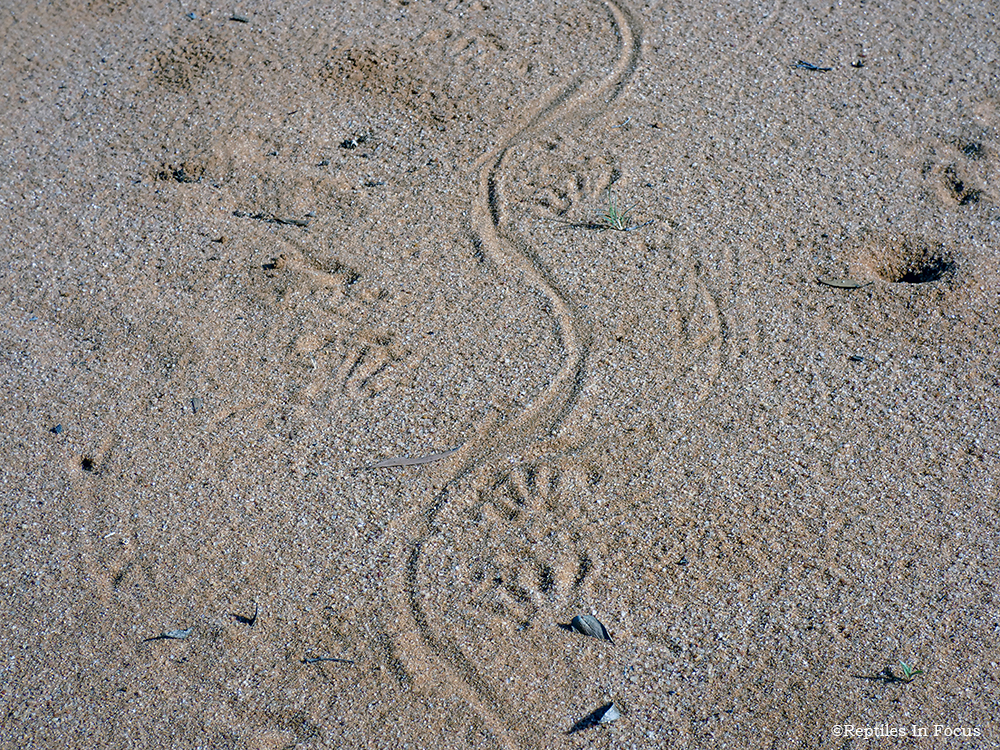
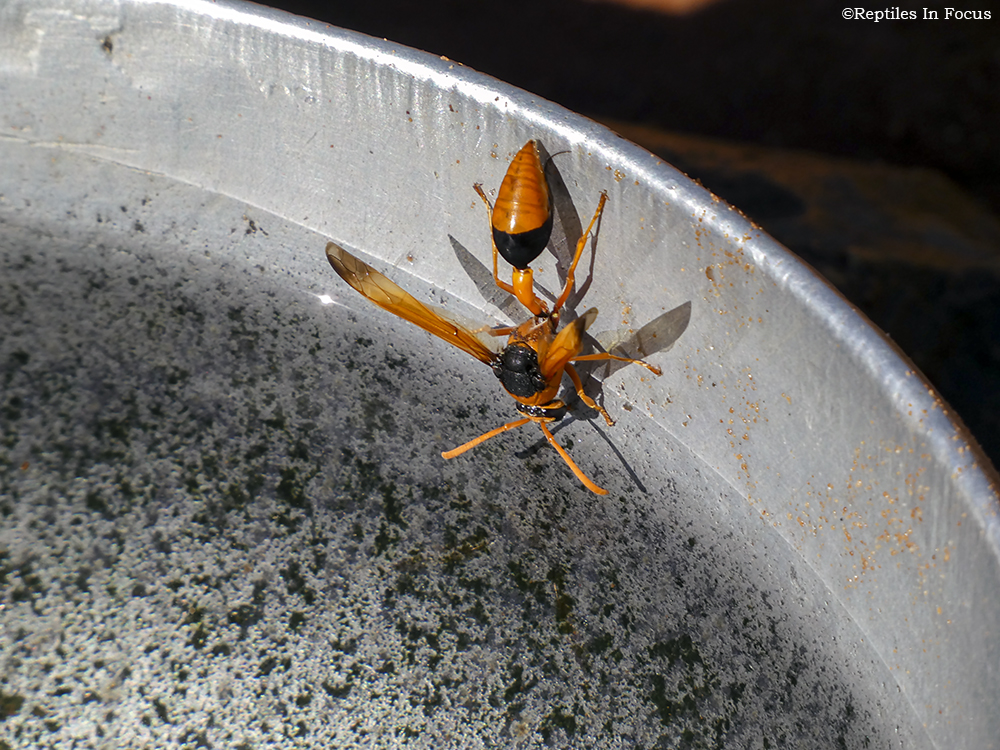
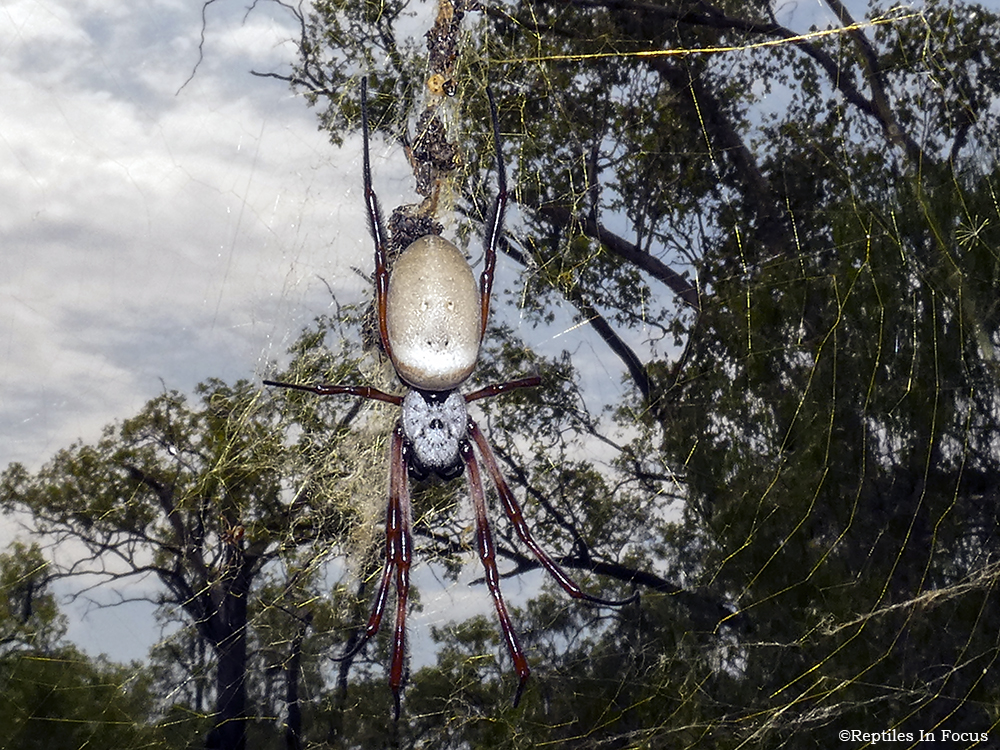
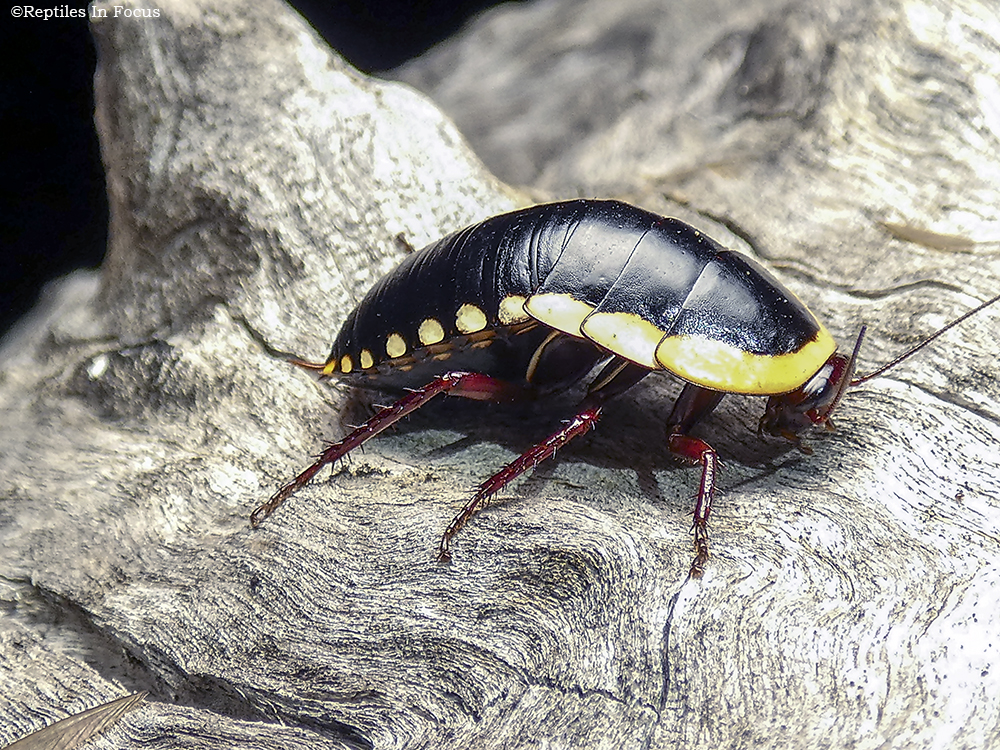
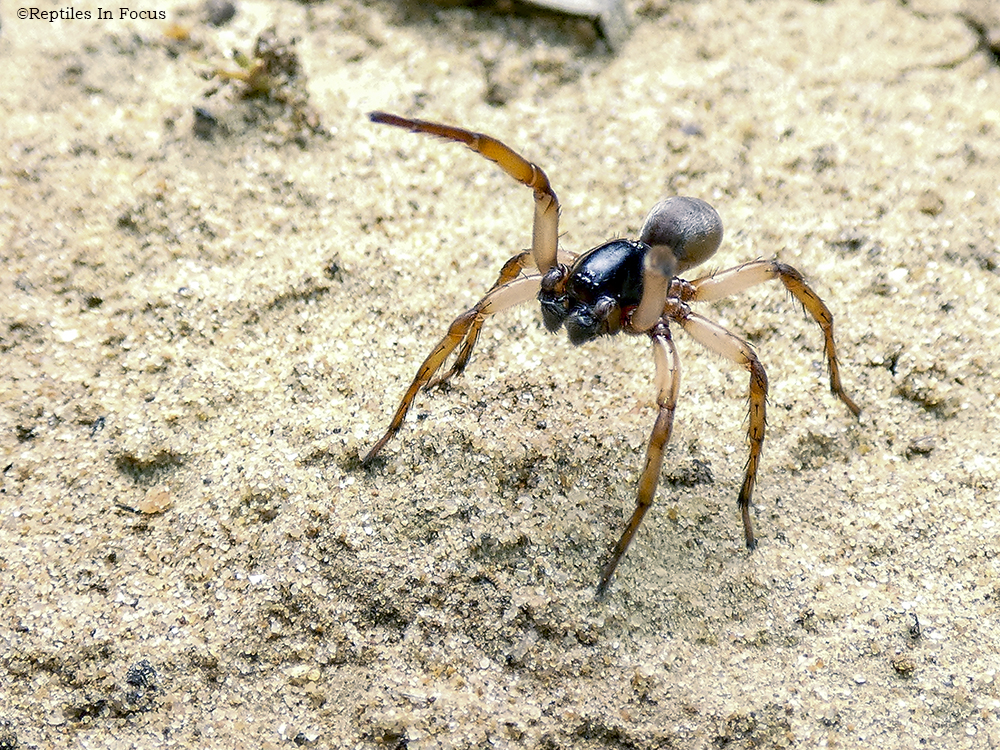
And a few other critters that didn’t fit into any of the categories above.
Bush Cockroach
To date unidentified spider
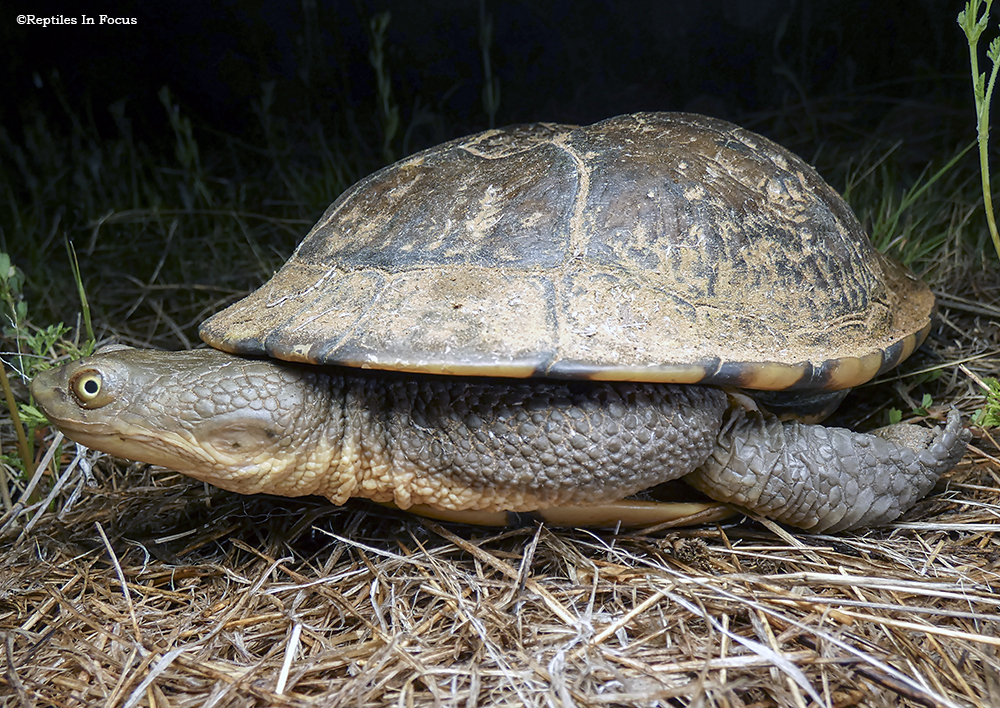
Eastern Long-necked turtle